WHERE ROYALTY MET REBELLION
Brighton
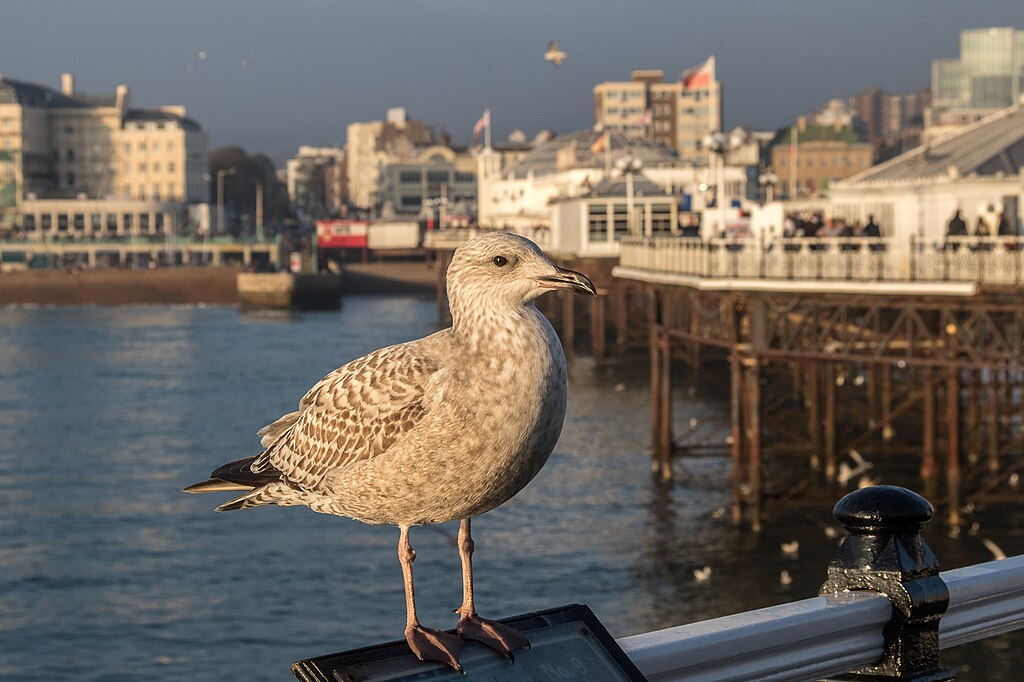
Welcome to Brighton, the unapologetically flamboyant jewel of England's south coast where rebellious energy meets salty sea air. This isn't just another quaint British seaside resort – it's a city that has consistently defied expectations since a gouty prince decided to make it his pleasure palace in the 18th century.
Brighton's story is one of remarkable reinvention: from humble fishing village to royal playground, from working-class holiday destination to countercultural haven. While many British coastal towns peaked in the Victorian era and subsequently declined, Brighton has continuously shape-shifted to remain relevant, vibrant, and just a little bit outrageous.
The city you're about to explore sits at the edge of the South Downs, where chalky hills meet the English Channel. This geographical position has profoundly shaped Brighton's character – close enough to London for convenient escapes (just 54 miles away), yet separated by enough distance to develop its own distinct personality. The absence of a natural harbor meant Brighton never became a major port, leaving it free to focus on more pleasurable pursuits.
Brighton's transformation began in earnest in the 1750s when Dr. Richard Russell published a treatise promoting the health benefits of seawater. Suddenly, what had been considered a dangerous, hostile environment became a wellness destination. The doctor prescribed seawater for drinking and bathing, claiming it could cure everything from gout to infertility. While his medical theories were dubious, his impact was undeniable – he inadvertently created the concept of the seaside holiday that would transform Britain's coastline.
The city's fortunes accelerated dramatically when George, Prince of Wales (later King George IV), first visited in 1783. Seeking escape from his father's strict court in London, the prince found in Brighton a place where he could indulge his appetites for food, gambling, and women. His patronage transformed the town from medical retreat to fashionable resort, and his architectural legacy – the outrageous Royal Pavilion – gave Brighton its most distinctive landmark.
The arrival of the railway in 1841 democratized Brighton, bringing it within reach of day-trippers from London. The aristocracy grumbled about the "invasion" of ordinary people, but Brighton embraced its new visitors, developing piers, promenades, and entertainment venues to cater to all classes. This inclusive approach has remained central to Brighton's character – it's a place where dukes and dock workers have sunbathed side by side.
In the 20th century, Brighton cemented its reputation for permissiveness and counterculture. It became known for dirty weekends (those illicit romantic escapes), mods and rockers battling on the beach in the 1960s, and one of Britain's most vibrant LGBTQ+ communities. The city's famous Pride celebration is now one of the UK's largest, attracting visitors from around the world.
Today's Brighton blends heritage and hipsterism in equal measure. Regency crescents and squares coexist with street art and pop-up shops. Traditional fish and chips are served alongside plant-based cuisine. And while other British seaside towns struggle to find their purpose in the era of affordable international travel, Brighton continues to thrive by embracing creativity, diversity, and the occasional bout of delightful eccentricity.
As we explore Brighton together, you'll discover a city that refuses to take itself too seriously despite its royal connections and architectural grandeur. You'll see how its progressive politics and bohemian spirit have shaped its development. And you'll understand why Brightonians maintain a fierce pride in their city's uniqueness – a place where being different isn't just accepted, it's practically expected.
So adjust your expectations, embrace the unexpected, and prepare to experience a seaside city unlike any other. This is Brighton – where monarchy met modernity, where tradition dances with transgression, and where the sea has always provided both livelihood and liberation.
Listen to the audio guide: