November 1418
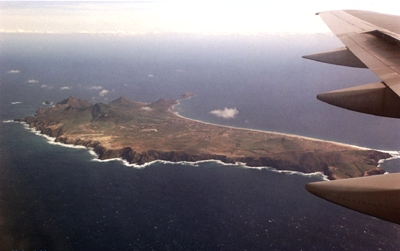
Porto Santo was discovered by accident. João Gonçalves Zarco and Tristão Vaz Teixeira, two navigators working for Prince Henry the Navigator, were attempting the volta do mar, the return route from Africa's Guinea coast. A storm blew them off course. For days they drifted, unable to get their bearings, waves battering the ship, everyone assuming they'd die at sea like countless other sailors whose names never made it into history books.
Then they spotted land. A small island with a natural harbor that offered shelter from the storm. They anchored, survived, and named it Porto Santo: Holy Port. The port that saved them. On the calendar, it was November 1418, possibly November 1st, All Saints' Day, which would have made the religious significance unmistakable.
Prince Henry ordered them back the following year to establish a settlement. Bartolomeu Perestrelo was appointed Capitão-Donatário in November 1445, essentially feudal lord of the island with hereditary rights. He hated it. The island was small, dry, isolated, and economically marginal. He abandoned his post and returned to mainland Portugal. Prince Henry forced him to return. His administration became notorious for being burdensome and violent, earning him the hatred of the population. When he finally died, they buried him in the church and presumably celebrated.
The early economy relied on wheat, barley, and Dragon's Blood resin from dragon trees. Sugar cane failed. Madeira, discovered a year after Porto Santo, had the altitude and rainfall to grow sugar successfully. Porto Santo had neither. It remained the poor cousin, a supply station for ships, a place sailors stopped for fresh water before continuing to more profitable destinations.
Lime quarrying became significant later. Ilhéu da Cal, the islet offshore, contained calcium carbonate deposits from Miocene marine fossils. Workers extracted lime for use in construction across the archipelago. The industry declined in the 20th century but the quarry remains visible.
What kept Porto Santo inhabited at all was strategic location. It sits northeast of Madeira in the Atlantic shipping lanes between Europe, Africa, and eventually the Americas. Ships needed a place to shelter from storms, replenish supplies, and make repairs. Porto Santo served that function for 500 years. Not glamorous, not profitable, but necessary.
The irony is that the storm that led to the island's discovery in 1418 perfectly predicted its future: Porto Santo would always be the place you ended up when something went wrong, the safe harbor in crisis, never the destination anyone actually wanted. Columbus chose it for strategic marriage, not love. Pirates raided it because it was exposed and undefended, not because it was valuable. Tourists come here to escape Madeira's crowds, not because Porto Santo is inherently more interesting.
And yet, the island persists. Five thousand people live here year-round. Tourism sustains the economy. The beach is extraordinary. And the fact that this place was discovered by accident, settled reluctantly, and survived centuries of devastation makes its survival feel like a minor historical miracle. Sometimes being the backup plan is enough.
Listen to the audio guide: