Casa do Infante
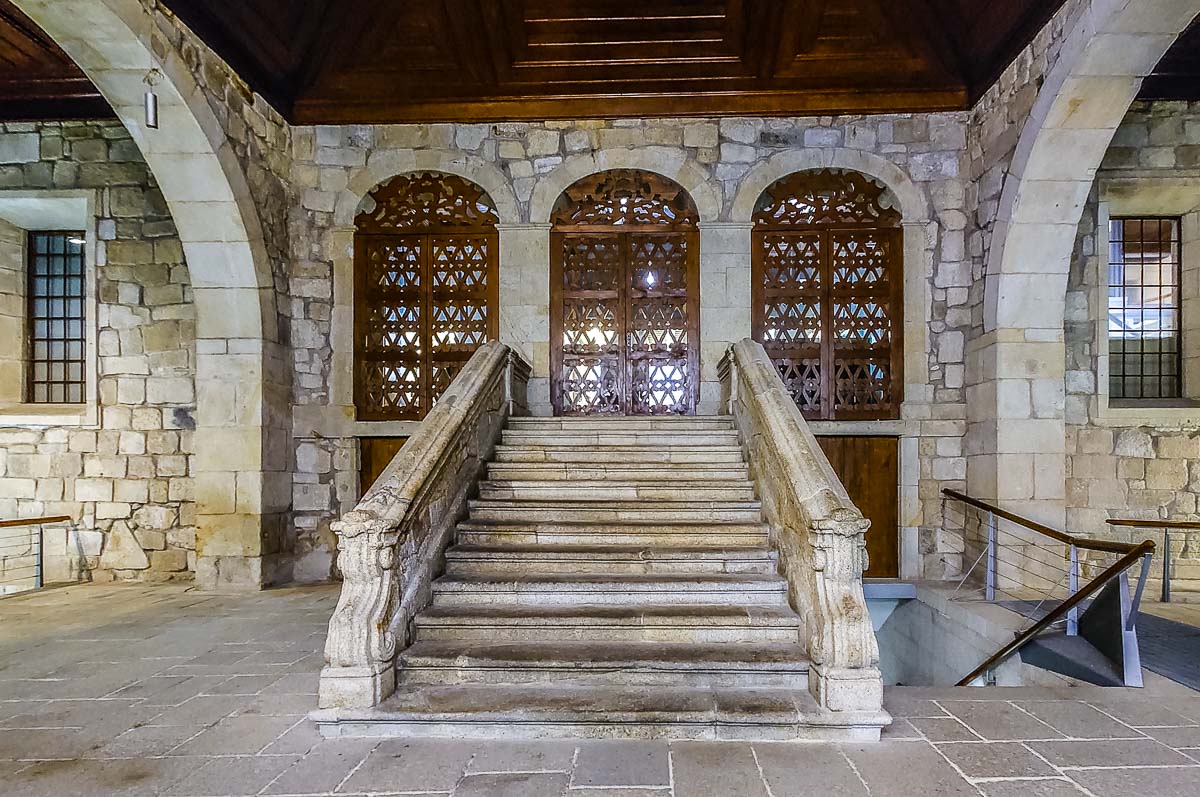
Prince Henry the Navigator was born in this unassuming stone building in 1394, though calling him a "navigator" is Portugal's greatest marketing achievement since they convinced the world that port wine is sophisticated. Henry never actually navigated anywhere – he was more of a medieval venture capitalist with a serious case of wanderlust by proxy.
This customs house, built in 1325, was where Porto collected taxes from ships bringing exotic goods up the Douro. Imagine the irony: the man who would revolutionize global exploration was literally born in a tax office. The building served as the royal mint and customs headquarters, making it the financial nerve center of northern Portugal. Every exotic spice, bolt of silk, and chunk of precious metal that entered Porto passed through these walls, generating the wealth that would fund Henry's maritime obsessions.
The building itself is refreshingly honest about its purpose – thick stone walls designed to protect money, not inspire poetry. No romantic battlements or soaring spires, just solid medieval pragmatism. The Gothic windows and doorways were added later, because apparently even tax collectors eventually wanted to look respectable.
What makes this place genuinely fascinating is how it represents the convergence of royal power, commercial ambition, and geographical advantage that defined Porto's identity. The Douro River was Porto's highway to the world, and this building was the tollbooth. Every transaction here connected Porto to distant markets, creating the commercial networks that Henry would later exploit for exploration.
The archaeological excavations beneath reveal Roman foundations, because Porto has always been about strategic positioning. Romans chose this spot for river control, medieval Portuguese chose it for trade dominance, and Henry's parents chose it for... well, tax optimization and royal administration.
Henry's birth here wasn't planned royal propaganda – it was pure circumstance. His father, King João I, was in Porto handling political business, and his mother Philippa of Lancaster was traveling with him. Medieval royal families were essentially nomadic, moving between territories to maintain control. That Henry emerged from this particular building, surrounded by maps, ledgers, and reports from ship captains, seems almost poetically appropriate.
The Infante's real genius wasn't navigation but organization. He established a systematic approach to exploration, funding expeditions, collecting geographical information, and gradually pushing Portuguese ships further down the African coast. This building represents that methodical mindset – not romantic adventure, but calculated commercial expansion.
Today's museum displays the medieval foundations alongside exhibits about Henry's achievements, though they diplomatically avoid mentioning how his "Age of Discovery" directly enabled the Atlantic slave trade. Historical context has layers, and not all of them are comfortable.
The building connects directly to Ribeira's identity as a working waterfront rather than a royal playground. Porto's nobility lived here because this was where money was made, not because of scenic river views. The river was a commercial highway, the buildings were functional infrastructure, and the people were here to work.
Standing in these rooms where Henry first breathed Douro River air, you're not witnessing the birth of romantic exploration – you're seeing the origins of systematic global capitalism. The Portuguese didn't stumble onto empire; they calculated their way into it, one customs document at a time.
This modest stone building proves that world-changing ideas often emerge from the most practical circumstances, and that sometimes the most important historical figures are born in tax offices.
Listen to the audio guide: