Introduction
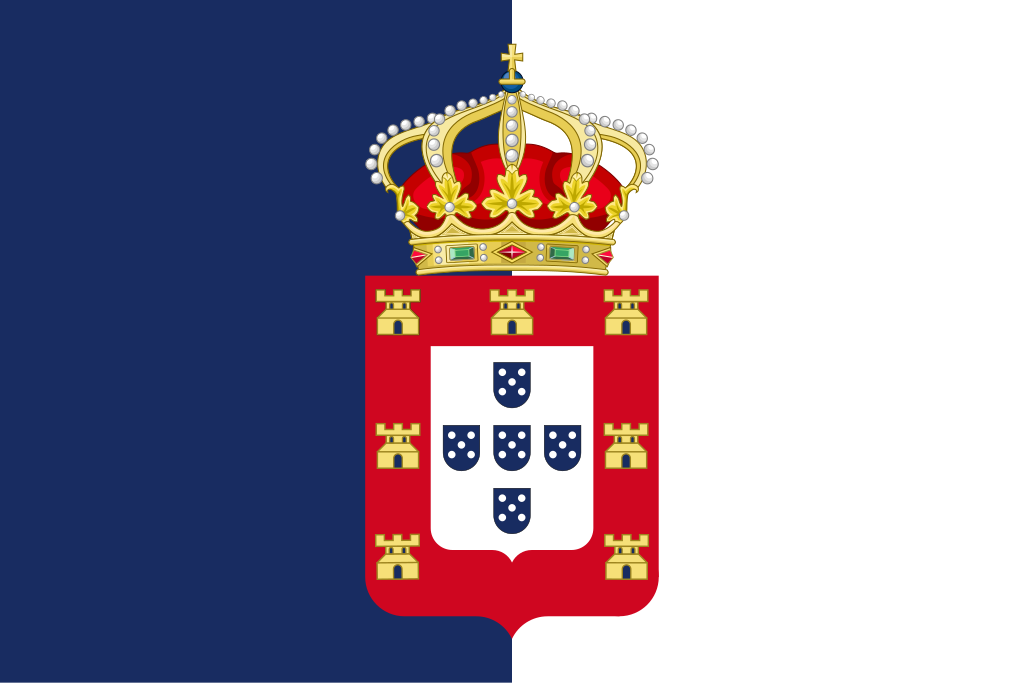
Before we dive into the opulent halls of Queluz Palace, let's get acquainted with its dramatic residents. The Portuguese monarchy wasn't just a family tree – it was a tangled web of power struggles, marriages between relatives, and political maneuvering that would make modern soap operas look tame.
The Braganza dynasty ruled Portugal from 1640 until the establishment of the republic in 1910. This family came to power following Portugal's independence from Spain, and they proved to be surprisingly resilient despite facing wars, earthquakes, invasions, and their own questionable decision-making.
Our palace story centers on three generations who were intimately connected to Queluz. First, we have Dom Pedro III (originally an Infante, or prince) who married his own niece, Queen Maria I. This marriage wasn't just a family scandal – it was strategic. When King José I died leaving only a daughter (Maria), the solution was to keep the crown in the family by having her marry her uncle. Problem solved! (Though genetics might disagree.)
Maria I initially proved to be a capable ruler, reversing some of the authoritarian policies of the previous reign and fostering cultural development. However, a series of personal tragedies – including the deaths of her husband, her son, and other close relatives – combined with the shocking news of the French Revolution, eventually triggered what contemporaries called "madness" but was likely severe depression or another mental health condition.
This led to the second generation taking control: her son Dom João (later João VI) became Prince Regent. He would eventually flee with the entire court to Brazil when Napoleon's forces invaded Portugal in 1807, making the extraordinary decision to relocate the center of the Portuguese empire to its colony.
The third generation brings even more drama: Dom João's sons Pedro and Miguel ended up on opposite sides of a bitter civil war. Pedro (who became Brazil's first Emperor and briefly Portugal's king as Pedro IV) supported liberal constitutional monarchy, while Miguel championed absolute monarchy. Their conflict would tear Portugal apart and leave its mark on Queluz Palace itself.
What makes this dynasty fascinating isn't just their political power but their very human flaws and complications. They were products of their time – deeply religious, politically calculating, and caught in the whirlwind of revolutionary changes sweeping Europe. Through Queluz Palace, we'll see how they lived, loved, schemed, and sometimes failed spectacularly.
As we tour the palace, remember: behind every elaborate room and ornate decoration was a real person navigating the impossible tensions of personal desire and public duty. The walls of Queluz witnessed both magnificent celebrations and profound personal tragedies – sometimes in the very same rooms.
Listen to the audio guide: