Introduction to Monserrate Palace and Park
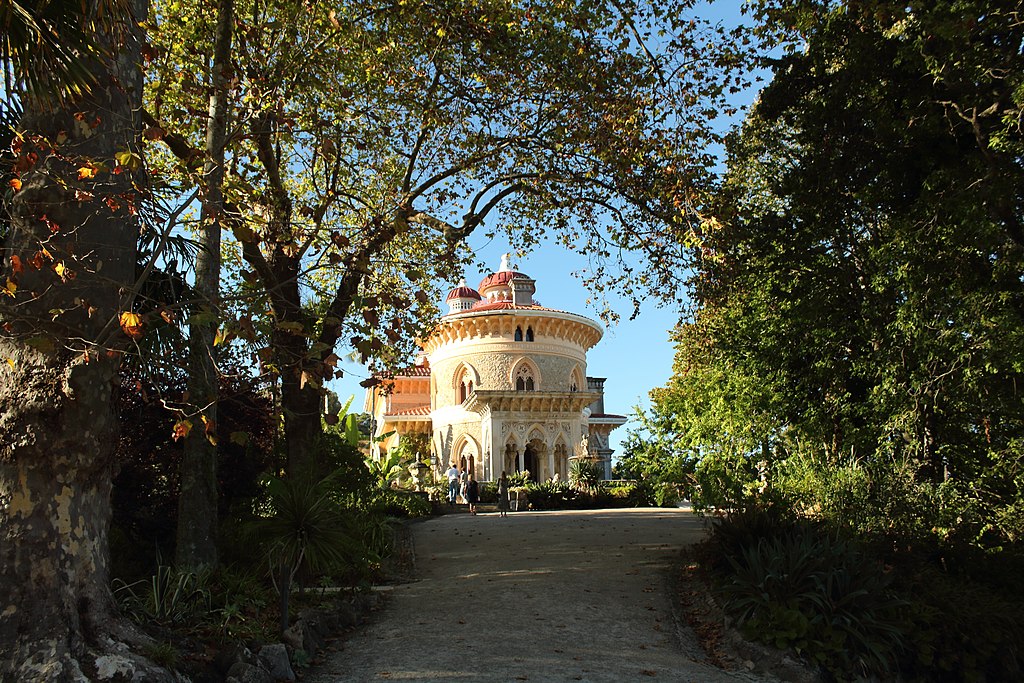
Perched on the verdant slopes of Sintra, the Monserrate Palace and Park stand as one of the most magnificent romantic ensembles you'll find anywhere in the world. But don't let its beauty fool you – this isn't some ancient Portuguese treasure. It's actually the result of English aristocrats with too much money deciding Portugal would make a lovely backdrop for their architectural fantasies.
The story of Monserrate is a tale of wealth, eccentricity, and an unusual cultural exchange. While most colonial relationships involved Europeans pillaging other countries' treasures, here we have the opposite – wealthy Englishmen pouring fortunes into creating their vision of paradise on Portuguese soil.
What you're seeing today is primarily the creation of Francis Cook, an English textile magnate who, in the 19th century, possessed the third largest fortune in England. Cook purchased these grounds in 1856 after they had passed through the hands of other notable Englishmen, including Gerard DeVisme and the famous writer William Beckford.
The palace combines an extraordinary mix of Gothic, Indian, and Moorish architectural styles – a fantastic mishmash that somehow works despite (or perhaps because of) its excess. It's the architectural equivalent of putting every spice in your cabinet into one dish and somehow ending up with something delicious rather than disastrous.
The surrounding park is equally impressive. Cook, a passionate collector of exotic plants, transformed these 30 hectares into a botanical wonderland featuring species from across the globe. The park is divided into distinct geographical sections – Mexico, Australia, Japan, and Africa – each recreating the microclimate and plant life of its namesake region.
What makes Monserrate particularly special is how it embodies the 19th-century Romantic movement's fascination with exotic cultures, nature, and the past. The Romantic poets and artists were obsessed with ruins, distant lands, and emotional experiences – and Monserrate provided all three. It's not every day you find a place that was actually made famous by a Lord Byron poem.
Monserrate also illustrates how the Anglo-Portuguese alliance – the oldest diplomatic alliance still in force today, dating back to 1386 – manifested in cultural exchanges. The British elite became enamored with Portuguese Gothic architecture, particularly the Batalha Monastery, which then influenced English architecture, only for that influence to return to Portugal through estates like Monserrate. It's a cultural boomerang effect that resulted in this extraordinary place.
After falling into disrepair following its acquisition by the Portuguese state, Monserrate has been meticulously restored to its former glory. As we explore this remarkable estate today, you'll see how English wealth, Portuguese craftsmanship, and global influences came together to create something truly unique – a multicultural marvel before that was even a concept.
So prepare yourself for a journey through ornate interiors, exotic gardens, and surprising stories of the characters who made Monserrate what it is today. Trust me, it's much more interesting than your typical palace tour.
Listen to the audio guide: