From tragedy to tourism: the Nazaré paradox
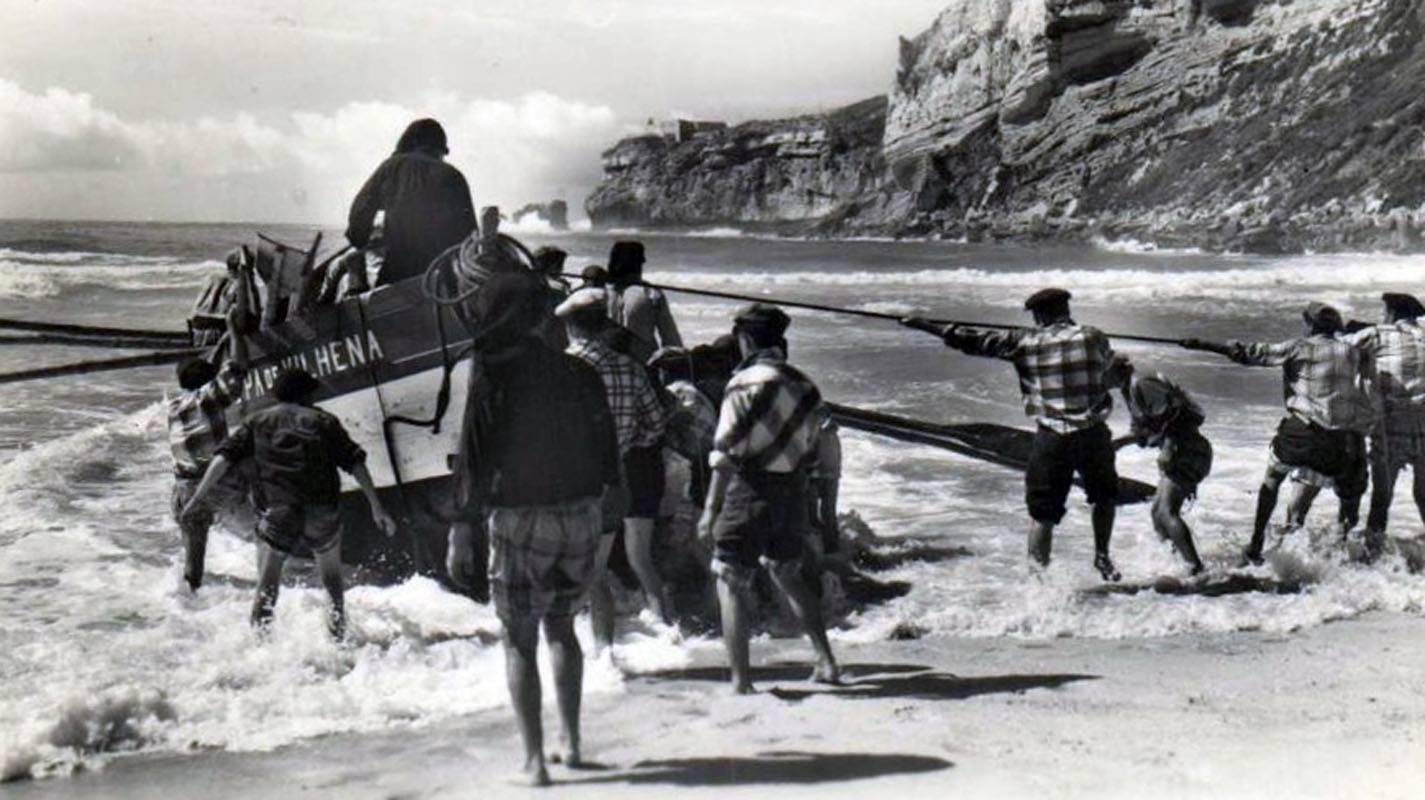
For centuries, the sea at Nazaré was synonymous with death. The fishermen of this Portuguese coastal town would push their colorful boats into the treacherous Atlantic waters knowing full well they might never return. Their wives, famous for their seven skirts, would watch from the shore, many destined to become widows. The sea gave life through fish, but frequently took lives in return.
What delicious irony that today, people travel from every corner of the globe to deliberately flirt with this same dangerous sea. The massive waves that once capsized fishing vessels and broke countless hearts now bring international fame and an economic lifeline to Nazaré.
The transformation is almost complete. The traditional fishing industry that defined Nazaré for generations has all but disappeared. When Portugal finally built a protective harbor here in the 1980s—after decades of planning—it coincided with the decline of Portuguese fishing. Those colorful boats? Many were ceremonially burned on the beach, their wooden frames collapsing into skeletal remains as flames consumed generations of maritime heritage.
The fishermen's daughters and granddaughters no longer wear the traditional seven skirts (said to represent the seven colors of the rainbow, the seven days of the week, or the seven virtues). These iconic garments have been relegated to museum displays and tourist postcards. Even the "poverty times" that locals still reference—when children would ask their fathers "when are we having dinner?" only to be told "we already ate, go to bed"—have faded into collective memory.
Yet something eternal remains in Nazaré, something that has defied the commercialization and transformation of this once-isolated community. To find it, we must climb up to the Sítio da Nazaré, the clifftop district where settlement originally began.
Up there, away from the beachfront restaurants and surf shops, the miraculous stories of Nossa Senhora da Nazaré (Our Lady of Nazareth) continue to be told just as they have been for centuries. It was on that very promontory that the legendary Dom Fuas Roupinho narrowly escaped plunging to his death in the 12th century after invoking the Virgin's protection.
Nazaré today presents us with a fascinating dichotomy: a town that has experienced radical transformation while simultaneously preserving its spiritual core. The past and present coexist here in ways both jarring and harmonious. The same waves that once brought tragic news of lost husbands and sons now bring celebrity surfers, international media, and curious tourists—people like us, seeking authentic experiences while inevitably changing what we came to see.
As we explore Nazaré, we'll encounter these contradictions again and again. The town offers us a perfect case study in how communities adapt to changing times while fighting to maintain their essential character. And perhaps most remarkably, we'll discover how the very force of nature that once made life here so precarious has become this town's most valuable asset.
Listen to the audio guide: