Introduction to the National Coach Museum
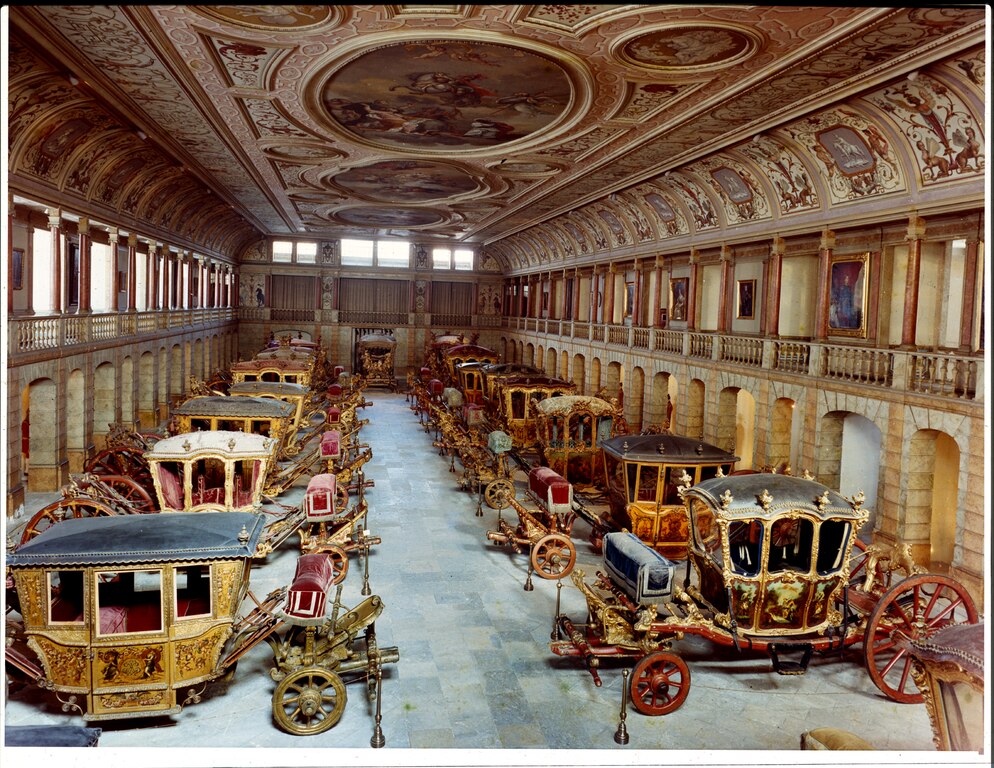
The National Coach Museum houses the finest collection of royal carriages in the world. Not because Portugal was the richest kingdom—let's be honest, by European standards, we were the cousins who married well but still lived modestly—but because while other nations were busy burning their royal coaches during revolutions or losing them to wars, Portugal kept its collection relatively intact.
These aren't just fancy old cars. These elaborately decorated vehicles were the private jets and luxury SUVs of their day, ostentatious displays of wealth and power. When a king or queen rolled through town in one of these babies, everyone knew exactly who was coming. These carriages didn't just transport royalty; they transported a message: "Look how filthy rich and important I am."
The collection spans four centuries of pre-motorized transport, featuring around 100 different vehicles: coaches, berlindas, chaises, sedan chairs, litters, and mail coaches. Each represents not just transportation technology but an entire social and political world. The most extravagant coaches cost more than building entire palaces and required up to eight horses to pull them.
In an age before mass media, these vehicles served as moving propaganda machines. Their lavish decoration—gold leaf, fine paintings, sculpted figures—told stories of Portugal's power, colonial wealth, and connections to other European courts. When a Portuguese ambassador arrived somewhere in one of these coaches, everyone understood the message before a single word was spoken.
Some of these vehicles witnessed pivotal moments in Portuguese history: royal weddings, assassination attempts, diplomatic missions that changed the course of European politics. Others tell more mundane stories of daily royal life—the coach equivalent of taking the Bentley to pick up groceries.
What makes this collection truly special is that it contains unique specimens that no longer exist anywhere else. When the French Revolution came and coaches were burned as symbols of royal excess, when World War I and II destroyed countless historical treasures across Europe, Portugal's relative isolation and neutrality helped preserve these mobile works of art.
Queen Amélia, the last queen of Portugal, had the brilliant foresight to turn the royal riding arena (the Picadeiro Real) into this museum in 1905. Rather than letting these treasures gather dust in royal stables after cars made them obsolete, she recognized their historical and artistic value. The collection remained there until 2015, when it moved to its current purpose-built museum.
As we move through this collection, you'll see the evolution of transportation technology from the 16th to the 19th century—from heavy, cumbersome coaches that took days to travel between cities to relatively lightweight mail coaches that revolutionized public transportation. You'll also see how changes in artistic style—from severe Counter-Reformation aesthetics to exuberant Baroque and delicate Rococo—are reflected in these vehicles.
So, forget everything you think you know about carriages from fairy tales and period dramas. These weren't just pretty rides for princesses. These were expensive, impractical status symbols that screamed "I have more money than I know what to do with"—the 17th century equivalent of gold-plated toilets and diamond-encrusted smartphones.
Listen to the audio guide: