Montalegre Castle: Or, how to tell your neighbors to back off, medieval style.
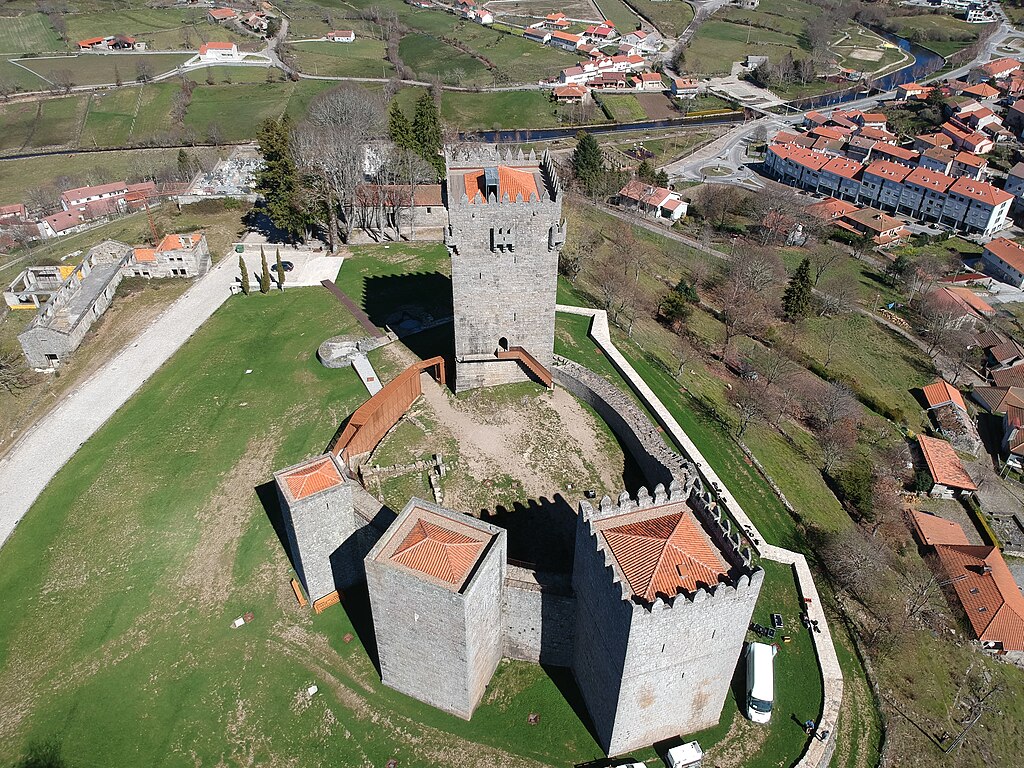
Look at this fortress. It wasn't built to be pretty. It was built by a king, Afonso III, who decided in 1273 that this remote granite hill was the perfect place to remind everyone, especially the kingdom of Galicia next door, exactly where Portugal began. This castle is a classic case of medieval power politics, a giant stone exclamation point on a contested border.
Its construction was a key part of a royal project to populate and control the northern frontier. This wasn't just a one-off project. A whole series of kings, from Dinis I to Manuel I, kept confirming the castle's charter over the next 250 years, which is the medieval equivalent of saying, "Yes, this fortress is still very, very important".
Now, look at the architecture. This thing was built to last. The main keep is about 30 meters high, and it's flanked by other towers, including a tough-looking pentagonal one. The walls are around four meters thick, designed to shrug off whatever siege engines could throw at them. And see that courtyard? Underneath is a massive granite-lined cistern, deep enough to hold water for a very long and very boring siege. This place was designed for stubbornness.
The castle’s reputation for being unconquerable is legendary. It was never taken by force. The best story comes from the 14th century, when King Pedro I, "the Cruel," showed up to besiege it. The castle's lord was away, but his wife, Doña Isabel de Meneses, was in charge. She led such a fierce defense that the king, presumably tired and deeply annoyed, had to pack up his army and leave empty-handed. Two centuries later, Castilian rebels also failed to storm the walls, having to resort to treason to finally get inside. This castle isn't just a pile of old stones; it’s a monument to pure, unyielding defiance.
Listen to the audio guide: