The Art of Making Enemies Think Twice
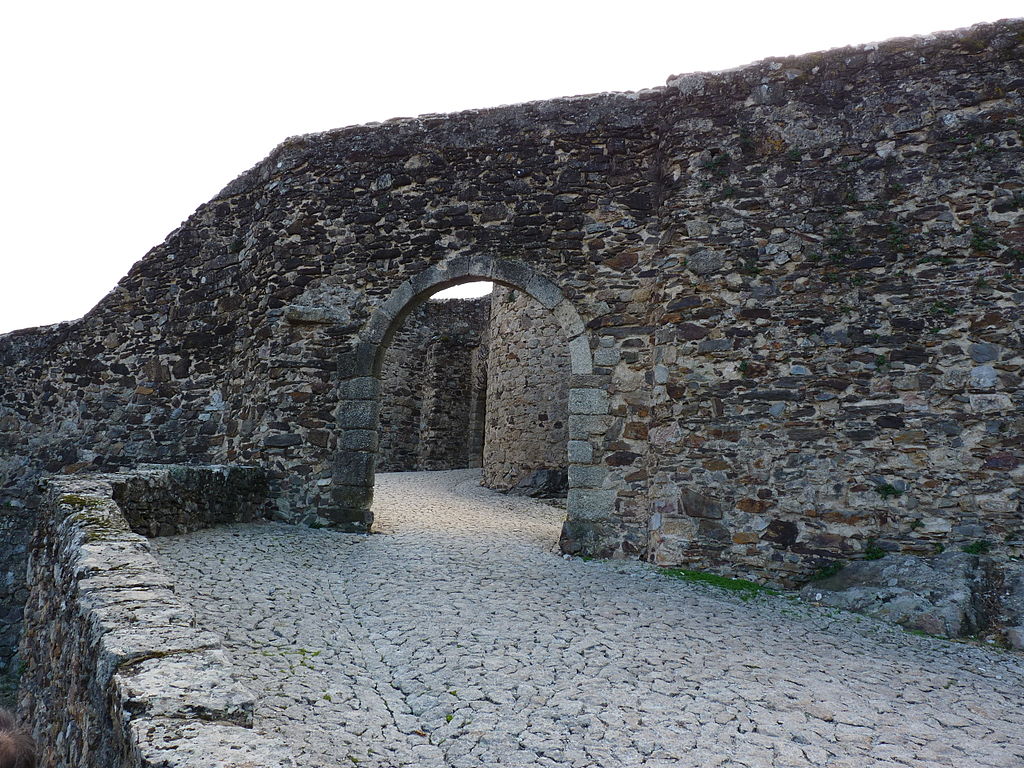
Three gates. Not one, not two, but three separate barriers between you and whatever you came here for. Medieval architects didn't mess around when it came to uninvited guests.
This triple gate system wasn't just about keeping people out—it was about breaking their will before they even got started. Each entrance forces attackers into a deliberate bend, slowing cavalry charges and creating what military engineers cheerfully called "killing zones." Imagine trying to storm a castle while your horse is confused about which direction to go and arrows are raining down from above. Not exactly a confidence booster.
The Porta da Vila you just walked through was designed as the ultimate momentum killer. No straight charges, no dramatic cavalry assaults—just an awkward shuffle through narrow passages while defenders had plenty of time to aim. The bent entrance concept was revolutionary for its time, transforming the simple act of walking through a door into a strategic nightmare for anyone with hostile intentions.
But here's where it gets interesting: this wasn't just military paranoia. Marvão sits exactly 13 kilometers from Spain, controlling one of only two major routes armies could use to cross between the kingdoms. Every gate, every wall, every stone was placed with the knowledge that sooner or later, someone would show up wanting to take this place.
The Portuguese weren't being dramatic—they were being realistic. Between 1640 and 1668, during the Restoration War, this fortress housed a 400-strong garrison. In 1762, Spanish forces tried a surprise attack during the Seven Years' War. They failed, partly because getting through these gates under fire proved significantly more challenging than their battle plans suggested.
What's remarkable is how the builders integrated these defenses into the natural rock. The gates aren't fighting against the mountain—they're working with it. The quartzite bedrock becomes part of the defensive system, making the whole structure feel less like human engineering and more like the mountain itself decided to become militarily useful.
The psychological effect was deliberate. Approaching armies would see this fortress emerging from the rock face like something that had always been there, defended by gates that seemed designed by people who had thought very carefully about all the ways someone might try to kill them. Which, to be fair, they absolutely had.
These entrances also served a peacetime purpose that's easy to miss. They controlled trade, checked travelers, and collected taxes—the medieval equivalent of customs control. The same features that made military assault difficult also made smuggling nearly impossible. Every merchant, every traveler, every person with business in Marvão had to submit to inspection, creating both security and revenue.
Standing here now, you're experiencing exactly what those gates were designed to do: make you pause, look around, and realize that someone put considerable thought into controlling who gets to proceed. The only difference is that today, the gatekeepers want you to continue rather than retreat. Though given what's ahead, that might not necessarily be easier on your legs.
Listen to the audio guide: