Fanal: The Dying Giants
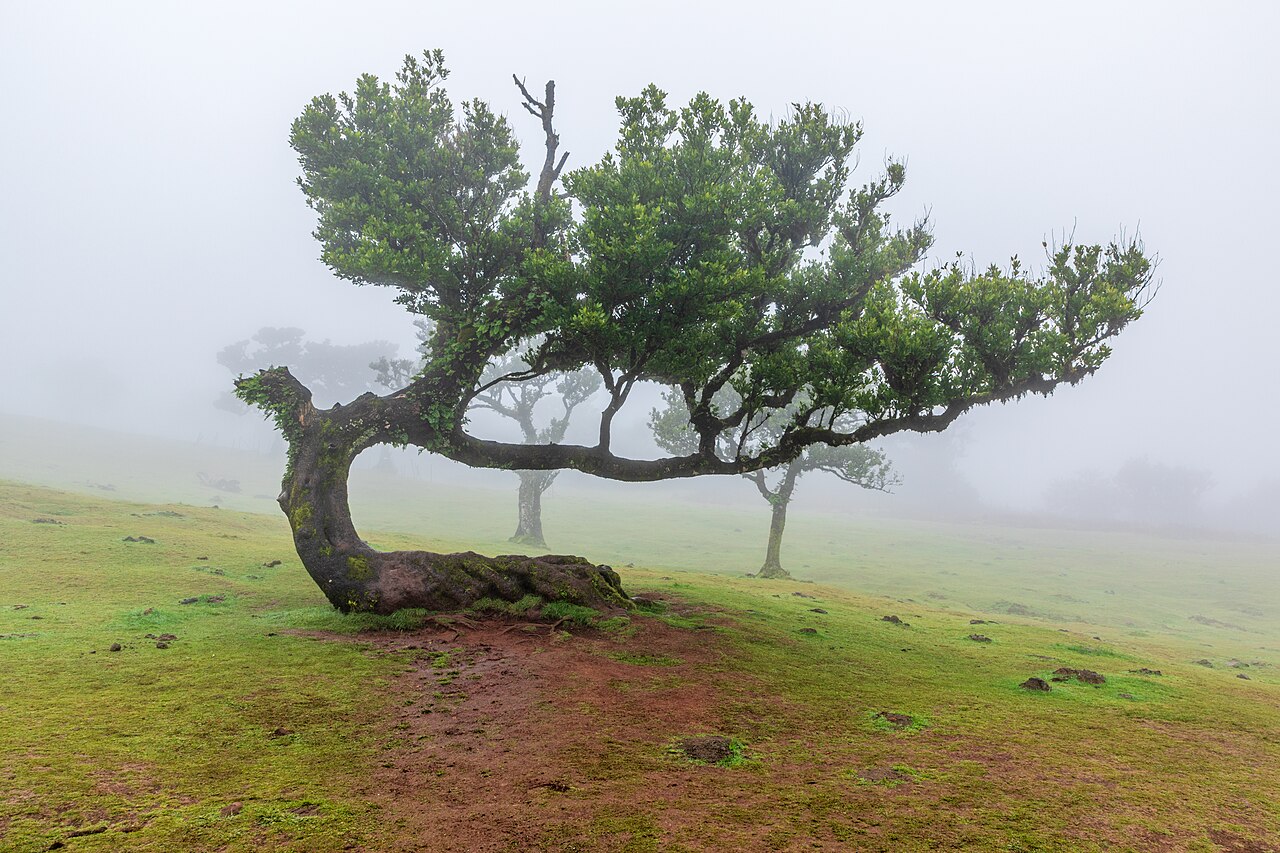
Look at the twisted tree in front of you, the one with moss dripping off its branches like some fantasy movie set. That particular Til tree has been standing here for somewhere between 400 and 800 years. Which means it was already ancient when Portuguese sailors showed up in 1419 and decided to name this place "Wood Island" before promptly setting it on fire.
Here's what the UNESCO plaque won't tell you: these trees are dying. Paolo Oliveira, who actually works for Madeira's Institute of Forests and Nature Conservation, put it bluntly. "It's very nice from the scenic point of view, but what you have in Fanal are old trees without regeneration. It's dying Laurisilva." No baby trees. No seedlings pushing through. Just these old giants slowly giving up.
The Til tree gets its scientific name, Ocotea foetens, from the Latin word for "stinking." When you cut the wood, it smells terrible because of the essential oils. The Canary Islands had a legendary Til tree called Garoé that collected so much fog water it kept entire communities alive. Sacred tree, life-giving tree. Here in Madeira, the Portuguese burned the forest for seven years straight to clear land for sugar plantations. The smoke must have been visible from ships at sea.
By the 1500s, sugar production dropped 90 percent partly because they'd destroyed so much forest there wasn't enough charcoal to fuel the mills. They'd cut down their own energy supply. Only 16 to 20 percent of the original Laurisilva remains on the island. This forest type dates back 15 to 40 million years, once covered Southern Europe, survived by hiding on Atlantic islands when the Ice Age killed everything on the mainland.
So yeah, you're looking at evolutionary refugees. And now they're dying because nobody thought to plan for the next generation of trees. The cows wandering around belong to local farmers with traditional grazing rights, but the overgrazing means seedlings can't establish. The soil around the most photographed trees has been trampled into something close to pavement.
You're standing in a place that survived millions of years of climate change and couldn't survive fifty years of Instagram.
Listen to the audio guide: