Portuguese Cuisine
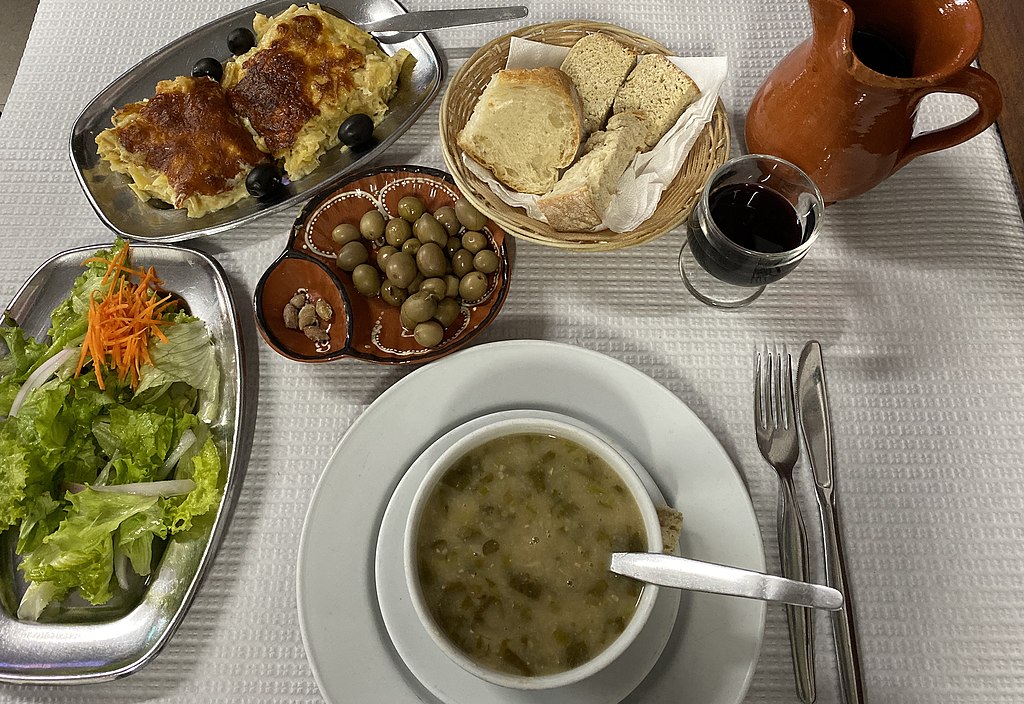
Portugal's culinary identity exists because of the very ground beneath your feet. Standing in Praça do Comércio, you're at the historic gateway where Portuguese ships once departed to explore the globe—and returned laden with flavors that transformed European cooking forever. This isn't just where land meets sea; it's where necessity birthed innovation and scarcity created ingenuity.
Portuguese cuisine is fundamentally maritime, shaped by 800 kilometers of coastline and centuries of fishing traditions. The Atlantic doesn't just border Portugal—it defines it. When Portuguese sailors faced long journeys, they needed preservation techniques that would keep food edible for months. The solutions they developed—salting, smoking, preserving in olive oil—are still culinary pillars today.
The Age of Discovery launched from these shores brought back tomatoes, potatoes, piri-piri peppers, cinnamon, and countless other ingredients now fundamental to Portuguese cooking. Unlike some European powers who merely exported their own customs abroad, Portugal absorbed global influences, creating a cuisine that's simultaneously humble and worldly.
Regional variations tell the story of Portugal's diverse landscapes. The lush northern Minho region offers hearty, wine-soaked dishes like caldo verde (potato-kale soup with smoky sausage). Central Portugal features mountain foods heavy on game and chestnuts. The Alentejo brings wheat-based dishes and fierce sheep's cheeses. The Algarve delivers sophisticated seafood preparations. And Lisbon? This city represents the culmination of it all.
The Portuguese approach to ingredients is reverent but unsentimental. Nothing is wasted. Historically poor, Portuguese cooks developed an arsenal of techniques to transform humble ingredients into magnificent meals. Take bacalhau (salt cod)—Portugal's national obsession has spawned allegedly 365 different recipes, one for each day of the year. It's the ultimate testament to Portuguese culinary creativity.
Olive oil flows through everything here—not the precious drizzle of other cuisines, but the foundation upon which dishes are built. Garlic and onions form the flavor base of countless recipes. Fresh herbs—especially cilantro and parsley—brighten dishes that might otherwise feel heavy.
The Portuguese meal structure revolves around conviviality. Small plates (petiscos) aren't just appetizers but a philosophy of sharing and grazing. Main dishes tend to be straightforward but deceptively complex in execution. And desserts? They're where Portugal's historical sweet tooth—developed through centuries of sugar trade—truly shines.
As we continue our culinary journey through Lisbon, you'll discover how a nation of seafarers and pragmatists created one of the world's most soulful, unpretentious cuisines—one that values tradition but continues to evolve. Portuguese food doesn't show off. It doesn't need to.
Listen to the audio guide: