Introduction to Fado: The Soul of Portugal
Welcome to Lisbon's most dramatic musical export – Fado. If Portugal had a soundtrack, this would be it, though far less upbeat than you might hope. Fado isn't just music; it's an emotional rollercoaster that somehow became a national treasure instead of a therapy recommendation.
Born in the 19th century in Lisbon's working-class neighborhoods, Fado emerged as the voice of the voiceless – sailors, street workers, and the urban poor who needed an outlet for their feelings before therapy was invented. The word "Fado" itself comes from the Latin "fatum," meaning fate or destiny, which tells you everything you need to know about its cheerfulness level.
What makes Fado special isn't just its melancholic melodies but how it embodies the untranslatable Portuguese concept of "saudade" – a profound longing for something or someone absent. It's like nostalgia's more intense, slightly unhinged cousin. The Portuguese have turned feeling sorry for yourself into high art, and honestly, they're rather good at it.
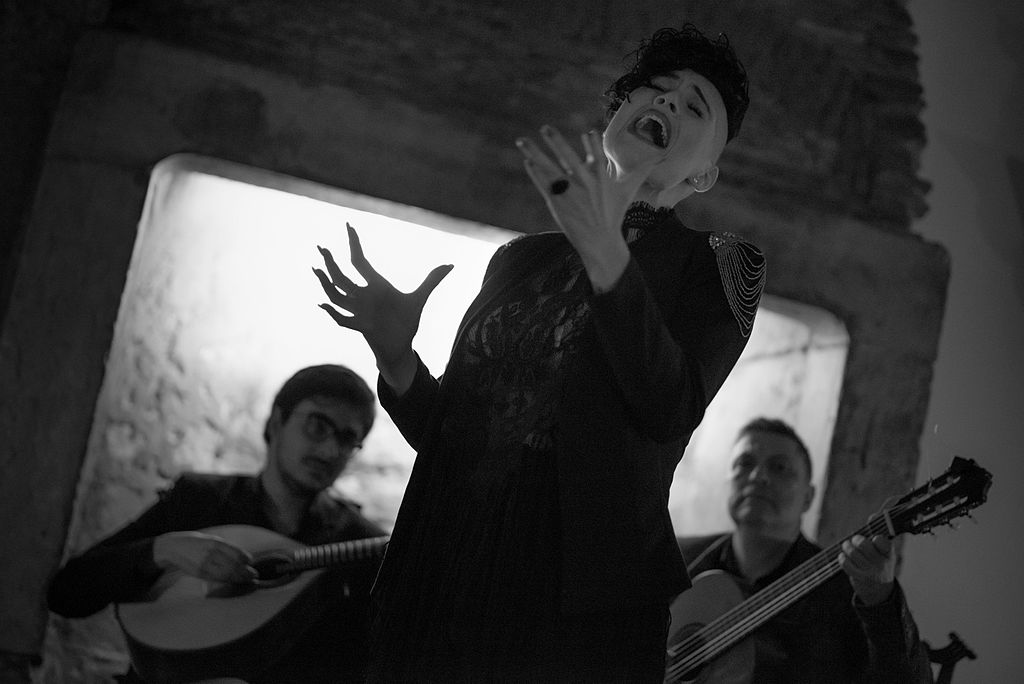
Fado performances are almost religious experiences. Picture this: a dimly lit room falls completely silent as a black-clad figure stands motionless, then unleashes raw emotion through song that'll make you emotional about Portuguese sailors you've never met. Even if you don't understand a word, you'll feel everything.
UNESCO recognized Fado as Intangible Cultural Heritage of Humanity in 2011, which is a fancy way of saying "this sad singing is actually really important." And they're right – Fado isn't just entertainment; it's a living archive of Portuguese cultural identity, carrying centuries of stories about love, loss, sea voyages, and the harsh realities of working-class life.
What's fascinating is how Fado has evolved while maintaining its soul. From its rough-and-tumble origins in dockside taverns to concert halls worldwide, Fado has remained remarkably authentic. Unlike other folk traditions that got watered down as they became more commercial, Fado singers still perform with that gut-wrenching sincerity that makes you wonder if they're okay.
For the Portuguese, Fado is more than music – it's a communal emotional outlet, a way to process collective and personal histories. In a culture that values stoicism in daily life, Fado provides the necessary release valve. It's therapy through music, cheaper than a therapist and with better acoustics.
As we explore Fado tonight, prepare yourself for an emotional journey. You'll hear stories of unrequited love, lost sailors, and the bittersweet passage of time – all the cheerful topics that have made Fado endure for two centuries. By the end of the night, you might find yourself inexplicably nostalgic for a life you never lived on the Portuguese coast.
So open your heart, respect the silence when the singing starts, and prepare to experience Portugal's soul laid bare through music. Just don't expect any upbeat dance numbers – this isn't that kind of party.
Listen to the audio guide: