Clérigos Tower: Porto's Vertical Time Machine
You might think climbing 240 steps to the top of a church tower is just another tourist checkbox, but Clérigos Tower is where Porto reveals itself to those willing to earn the view. Forget those postcard panoramas—this is where you'll understand how the city actually fits together.
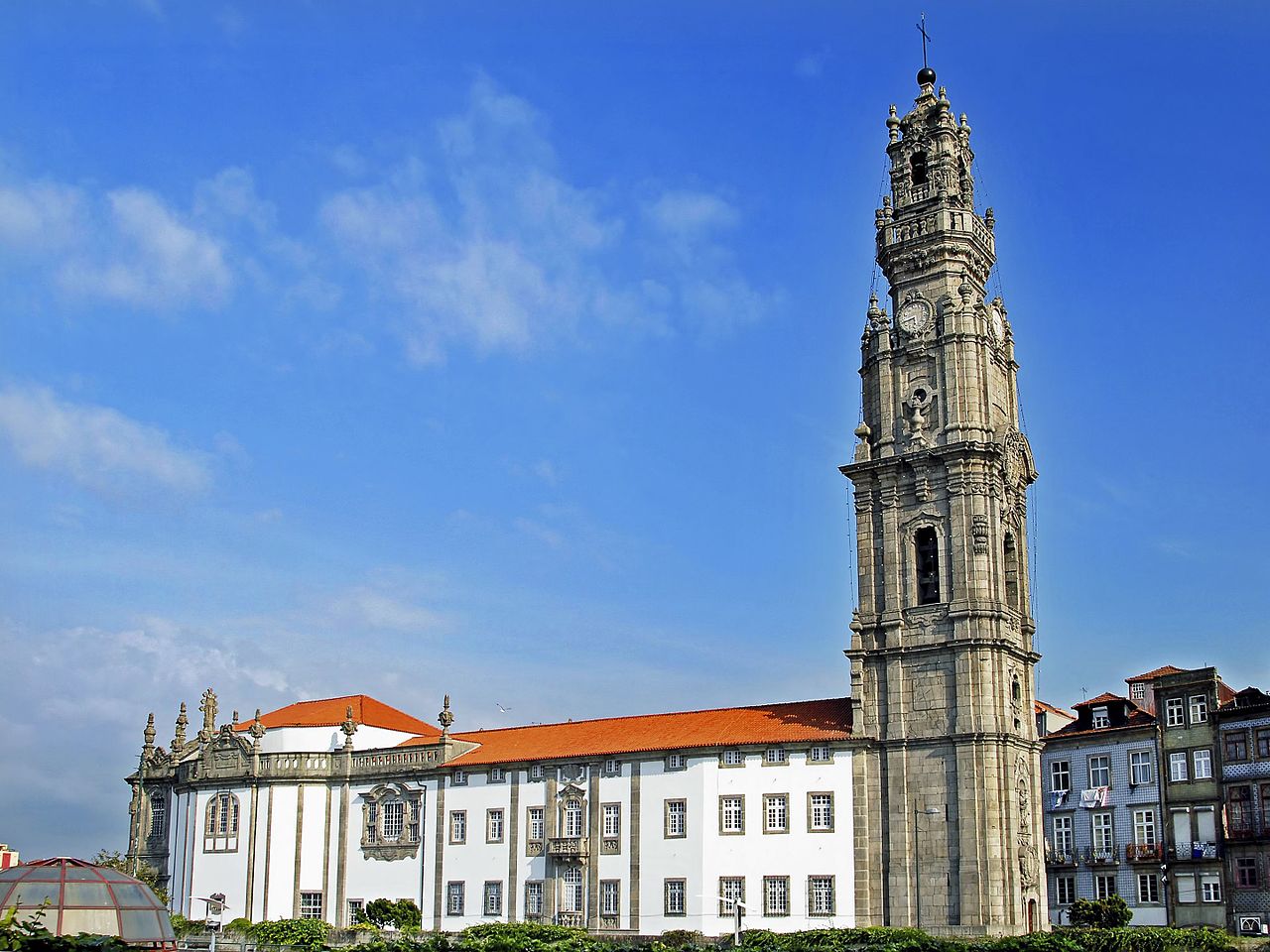
Standing at the base, your neck craning upward, you're looking at Portugal's tallest bell tower from the 18th century—a 76-meter stone needle that's been the city's unofficial compass point since 1763. But what makes this baroque tower fascinating isn't just its height or the sweeping views from the top. It's that the entire structure is essentially a massive architectural flex.
When Italian architect Nicolau Nasoni designed this tower between 1754 and 1763, Porto was experiencing a gold boom thanks to discoveries in Brazil. The wealthy Brotherhood of Clerics commissioned this project not just as a church bell tower but as a deliberate statement: "Look how prosperous we are." The granite structure with its elaborate baroque flourishes was the 18th-century equivalent of building a skyscraper—a vertical proclamation of power that forever changed Porto's skyline.
What most guides won't tell you is that Nasoni's design was revolutionary for its time. Unlike other bell towers that were square and sturdy, Clérigos is slender and octagonal, incorporating innovative engineering that allowed it to soar to unprecedented heights without collapsing. The tower survived the devastating 1755 earthquake that destroyed much of Lisbon—a testament to Nasoni's genius. Even more remarkably, he never saw a penny for his work; the architect donated his services to the Brotherhood, asking only to be buried in the adjoining church (where he indeed rests today).
As you climb the narrow spiral staircase, notice how the stone steps are worn in the middle—each depression represents thousands of footsteps over centuries. The tower's interior reveals its dual purpose: yes, it housed the bells that regulated city life, but it also served as a navigation landmark for ships entering Porto's harbor. Before GPS and radio, Clérigos Tower was how sailors found their way home.
At the top, Porto unfolds before you like a living map. Unlike the views from São Bento Station or the Dom Luís I Bridge that we'll visit later, this vantage point lets you grasp the city's topography—how it cascades down hills toward the Douro River. From here, you can trace the medieval layout of streets, spot the Cathedral's twin towers, and see how the city has expanded beyond its ancient walls. On clear days, you can even glimpse the Atlantic Ocean to the west.
What's particularly striking is how the tower connects Porto's past and present. The baroque flourishes on the facade tell stories of Portugal's maritime history, with seashell motifs and nautical symbols embedded in the stonework. Meanwhile, the modern city pulses around its base, with trendy cafes and shops occupying buildings that have stood for centuries.
For the best experience, come early in the morning when the light is golden and the crowds are thin. Photographers should visit just before sunset when the low light bathes the city in warm hues and creates dramatic shadows across the terracotta rooftops. And don't rush the climb—the small windows along the staircase offer intimate glimpses of the surrounding streets that are just as rewarding as the panorama at the top.
When you reach the summit, take a moment to listen to the six bells that have marked time for Porto's residents for over 250 years. Their deep resonance connects you to every generation that has lived and died within earshot of their toll—a sonic timeline that continues to this day.
Listen to the audio guide: