Clérigos Tower and Church Complex
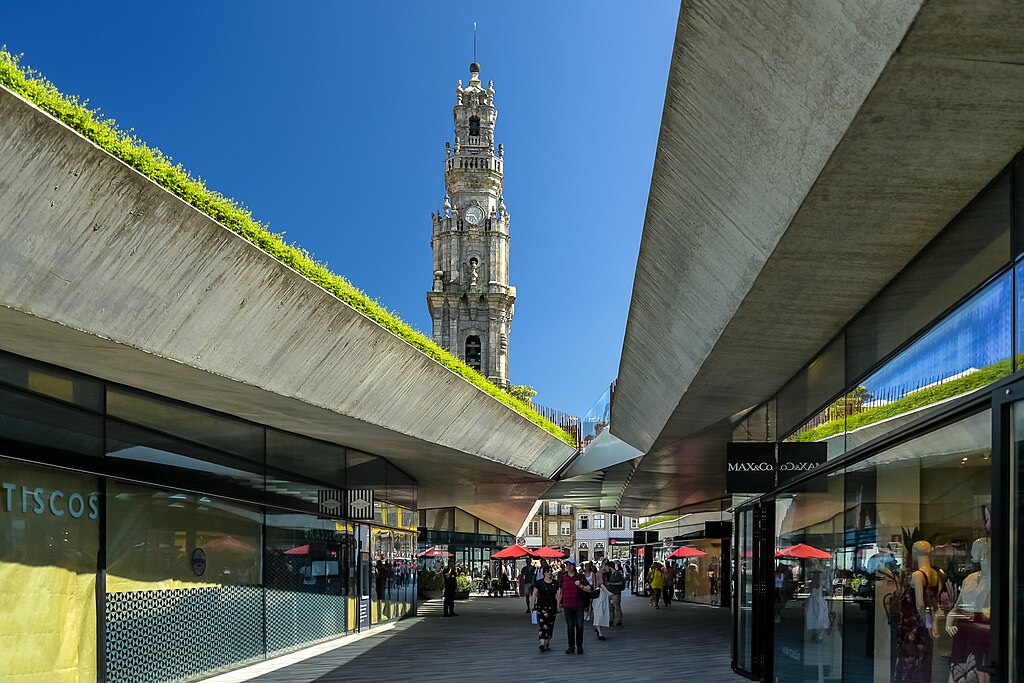
Meet the Clérigos Tower - at 75.6 meters, it's been Porto's most shameless show-off since 1763. This baroque beast wasn't just built to impress God; it was designed to make sure every ship captain sailing up the Douro knew exactly who ran this city.
The man behind this architectural power move was Nicolau Nasoni, an Italian who came to Porto and decided the locals needed a masterclass in how to do baroque properly. Between 1732 and 1763, he created Portugal's first oval-shaped church nave - because apparently rectangular was too mainstream for his tastes.
Here's where it gets interesting: this entire complex was commissioned by the Irmandade dos Clérigos Pobres, literally the Brotherhood of Poor Clergy. The irony isn't lost on anyone that these "poor" priests managed to fund what became Portugal's most significant baroque achievement. Founded in 1707, this brotherhood had a noble mission - helping clergy who found themselves "in poverty, sickness, and death." They even picked their patron saint by lottery when the three merging brotherhoods couldn't agree on whose saint was holiest.
The church itself measures 76 by 32 meters, and Nasoni's oval design wasn't just architectural flexing - it created acoustics so perfect that whispers from the altar carry to every corner. The interior showcases gilded woodwork that would make Versailles jealous, plus a Portuguese-style pipe organ from 1777 that still makes the walls shake during Sunday mass.
But let's talk about that tower. Those 240 spiral steps aren't just exercise - they're a journey through Portuguese maritime history. The tower served as a navigation landmark for merchant ships and housed a signal station that communicated with vessels approaching Porto's harbor. The 49-bell carillon weighing 10 tons wasn't just for show either; those bells announced everything from religious ceremonies to maritime arrivals.
When you reach the top, you're standing at the highest publicly accessible point in Porto's historic center. The 360-degree views encompass the Atlantic Ocean, the Douro River snaking toward the sea, and the entire tapestry of Porto's orange-tiled rooftops spreading in every direction. On clear days, you can spot ships that are still miles out at sea - just like those 18th-century merchants who used this tower as their GPS.
The building materials tell their own story. Built with characteristic northern Portuguese dark granite, the facade features elaborate baroque elements including garlands, festoons, spiral scrolls, and shell motifs. Each decorative element had meaning - the shells referenced Santiago pilgrimage routes, while the garlands symbolized divine abundance.
And here's a detail that gives you chills: Nasoni himself is buried somewhere beneath your feet. His remains were rediscovered in 2015 beneath the main altar, confirming the legend that the architect chose to spend eternity within his masterpiece. The man who gave Porto its most recognizable silhouette became literally part of the foundation.
The Brotherhood operated an infirmary here until the late 19th century, treating sick clergy and managing their charitable work. Their influence extended far beyond these walls - they owned properties throughout Porto and maintained a network of social services that made them one of the city's most powerful religious organizations.
Today, climbing those 240 steps is still a pilgrimage of sorts. Each floor reveals different aspects of the tower's construction, from the massive stone foundations to the intricate bell mechanisms. This tower wasn't built in isolation; it was designed to dominate a skyline and announce Porto's prosperity to anyone within 20 kilometers.
Listen to the audio guide: