Igreja de São Francisco : La Zone de Frime Royale
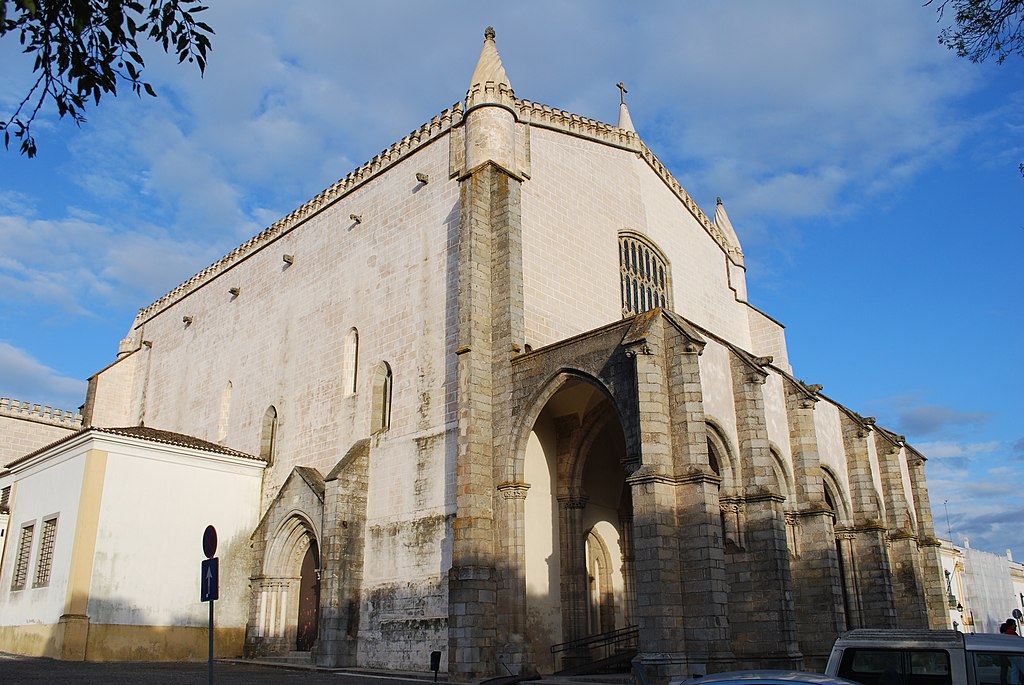
Standing before the Igreja de São Francisco, you're looking at the fruits of 16th-century royal competitiveness, when Portuguese kings had more gold than sense and used it to prove God was definitely on their side.
This Gothic-Manueline masterpiece, built between 1480-1550, replaced a perfectly adequate Romanesque church because three kings—Afonso V, João II, and Manuel I—apparently needed to outdo each other in holy ostentation. The result? A church so lavishly decorated that contemporaries called it the "Convent of Gold." Not exactly the humble Franciscan aesthetic Saint Francis had in mind when he renounced worldly possessions.
Notice that unique narthex with seven arches—each one different because medieval architects were apparently as indecisive as modern café customers. You've got semicircular, pointed, and horseshoe arches all mixed together in what scholars politely call "Gothic-Moorish fusion" and what we might call "architectural ADHD." It's actually brilliant—a physical manifestation of Portugal's cultural crossroads, where Christian Gothic meets Islamic architectural influences in ways that somehow work perfectly.
The Manueline portal features royal emblems that scream "look how important we are": João II's pelican symbolizing self-sacrifice (ironically) and Manuel I's armillary sphere (because nothing says religious humility like maritime conquest symbols). The fact that these Age of Exploration motifs are carved into a church entrance tells you everything about how Portugal's kings saw their relationship with God—as business partners in global domination.
What makes this facade particularly ridiculous is its battlemented crown with conical spires. It's a church designed to look like a fortress, which is fitting since it was essentially a fortress for royal egos. The Portuguese royal family used this as their personal chapel when they summered in Évora, treating the city as their preferred vacation spot when Lisbon got too political.