Escadinhas de São Cristovão: STAIRS THAT COUNT AS CARDIO
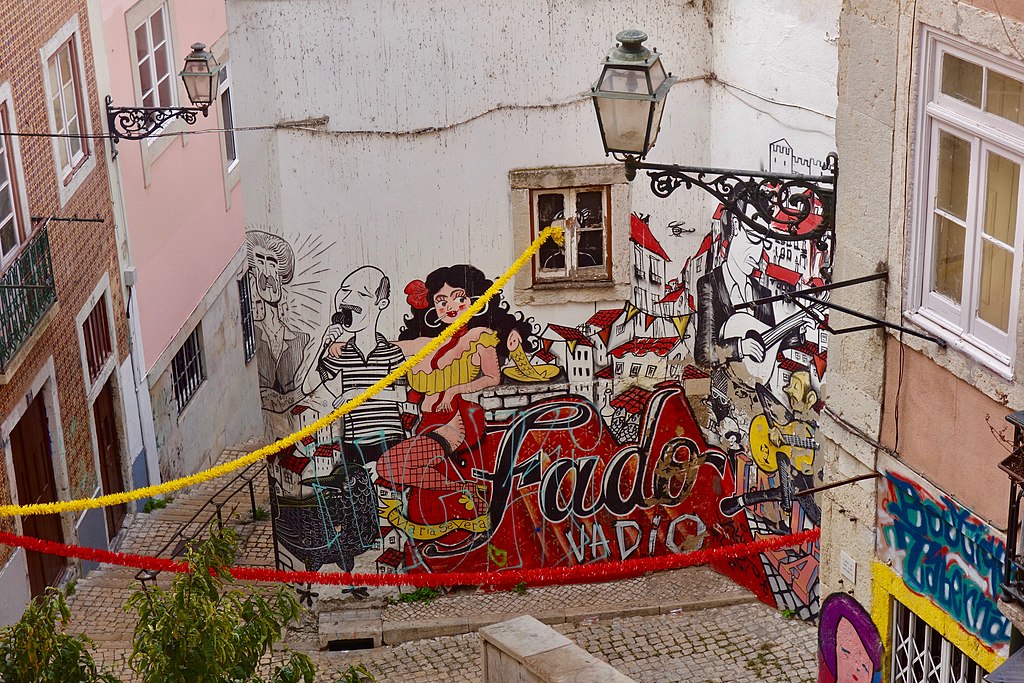
Welcome to the Escadinhas de São Cristovão, a staircase that would make your gym trainer proud and your knees file for divorce. "Escadinhas" literally means "little stairs," which is Portugal's idea of a hilarious joke, because there's nothing "little" about climbing these steps. This steep stone stairway has been challenging Lisbon residents and visitors alike for centuries, long before StairMaster was a thing.
These stairs connect the lower and upper parts of Alfama, a practical solution to navigating a neighborhood built on a 45-degree hillside. Dating back to medieval times, they follow the natural contour of the land, which is why they twist and turn rather than going straight up. Medieval urban planners weren't concerned with efficiency—they were more focused on not tumbling down hillsides while carrying groceries.
Look at the worn center of each stone step—that's physical evidence of the thousands of feet that have traversed these stairs over centuries. While modern cities are constantly rebuilding infrastructure, these steps have remained essentially unchanged since they were first carved. They've witnessed the entire social history of Alfama: children playing games on the landings, young lovers stealing kisses in the shadows, elderly neighbors catching their breath and catching up on gossip.
The stairs take their name from São Cristovão (Saint Christopher), the patron saint of travelers, which is appropriate given how much of a journey it feels to climb them. The small church of São Cristovão isn't far from here, though it was severely damaged in the 1755 earthquake and later rebuilt. The saint's association with these stairs is both religious and practical—many a climber has likely prayed for divine assistance halfway up.
Escadinhas like these were more than just transportation routes—they were social spaces. In a neighborhood where homes were small and cramped, the steps served as community gathering spots. Women would sit here shelling peas or mending clothes, musicians would play impromptu concerts on the landings, and children would transform the stairs into elaborate multi-level playgrounds. On hot summer nights, residents would bring chairs out to catch the breeze that funnels through these vertical corridors.
These stairs also played a crucial role during the Carnation Revolution of 1974, which ended Portugal's dictatorship. Alfama's staircases and narrow streets were perfect for distributing clandestine pamphlets and organizing resistance, as police vehicles couldn't easily access these pedestrian routes. The layout that once protected medieval residents from invaders served a new defensive purpose in the 20th century.
Today, the Escadinhas de São Cristovão represent both the charm and challenge of authentic Alfama. While some historic neighborhoods around the world have installed escalators or funiculars to ease mobility (looking at you, Spain), Alfama has largely resisted such modern interventions. The result is a neighborhood that maintains its character but demands physical effort to explore—natural selection for tourism.
As you fo through these steps today, take note of the tile work, the ironwork on the balconies overhead, and the rhythm of daily life continuing around you. And if you need to stop and catch your breath, don't worry—that's not being a weak tourist, that's "pausing to appreciate the cultural heritage." At least that's what I tell myself on step number 87.
Listen to the audio guide: