Torre de Santo Antônio: Where Pirates Met Their Match
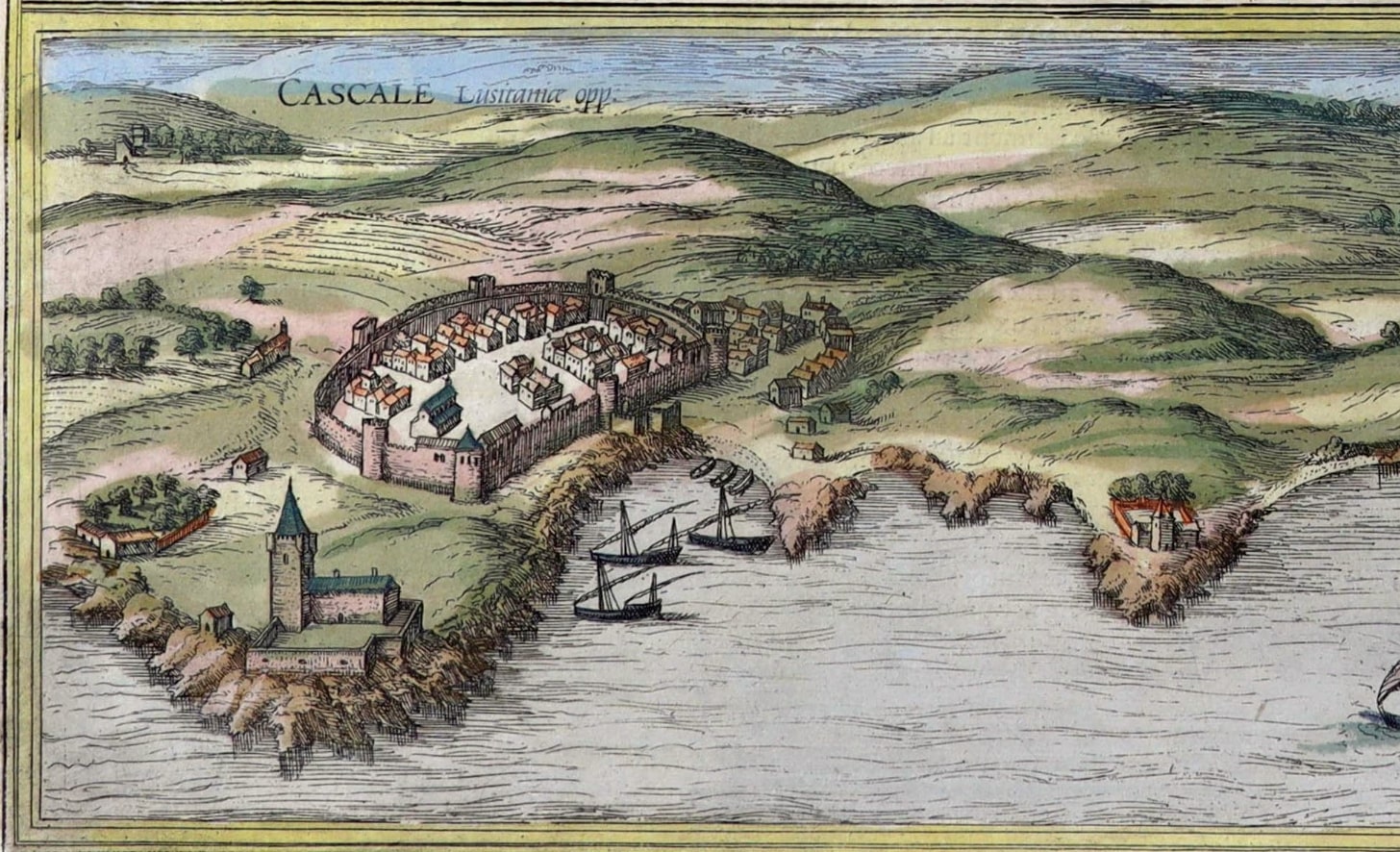
Standing atop what was once the Tower of Santo António, you're at the site of Cascais Bay's first maritime defensive structure. This tower, ordered built by King João II in the 15th century, wasn't just a random fortification—it was a calculated response to a pressing problem: pirates were treating Cascais Bay like their personal shopping mall.
The strategic importance of Cascais Bay cannot be overstated. Before Lisbon became Portugal's premier port, Cascais served as the principal Atlantic harbor. Ships would patiently wait in these calm waters for favorable winds and tides before entering the Tagus River. It was also the last stop for vessels heading into the ocean, where they would take on final provisions—fresh water, fruits, and vegetables from nearby Sintra.
But this maritime traffic attracted unwanted attention. In 1484, a particularly audacious French corsair named João Bretão (John the Breton) anchored in this very bay, casually waiting to pounce on passing merchant ships. He even had the nerve to sink an English vessel right here in the bay, taking two days to leisurely plunder its cargo. This brazen act was the last straw for the Portuguese crown.
Queen Leonor, temporarily acting in place of her husband King João II, sent the corsair a remarkably polite letter, essentially saying: "Look, it's really not appropriate for you to be capturing ships in Cascais. My husband will be quite displeased if you don't leave, and you wouldn't be the first pirate to face his wrath." Diplomatic shade at its finest.
Meanwhile, behind the scenes, King João II was already planning a defensive network that would include three towers—at Belém, São Vicente, and here at Cascais—designed to provide crossfire protection for the approach to Lisbon. He even devised specialized caravels equipped with cannons at water level that could quickly move to strike enemy ships below the waterline.
The Tower of Santo António that once stood here was similar in structure to the Tower of Belém (which still exists today). It featured a rectangular base with a tower, surrounded by walls with bombardier openings facing the sea. These openings housed firepower capable of keeping hostile ships from entering the bay.
What's particularly remarkable is that João II's defensive system anticipated the bastion fortifications that Italian engineers would develop decades later. This king wasn't just responding to immediate threats—he was innovating military architecture well ahead of his time.
Ironically, the very defensive structure meant to protect against foreign invasion would eventually become a target itself. When the Duke of Alba came to seize Portugal for Philip II of Spain in 1580, this tower and the surrounding fortifications were besieged and captured—a pivotal moment in Portugal's history that would lead to sixty years of Spanish rule.
Look around you at the peaceful bay today. It's hard to imagine this tranquil setting was once a hotbed of piracy, military innovation, and international conflict. Yet beneath these calm waters and behind these stone walls lies a history of maritime strategy that helped shape Portugal's role in the age of discovery and beyond.
Listen to the audio guide: