Cascais Historic Center (Cidade Velha)
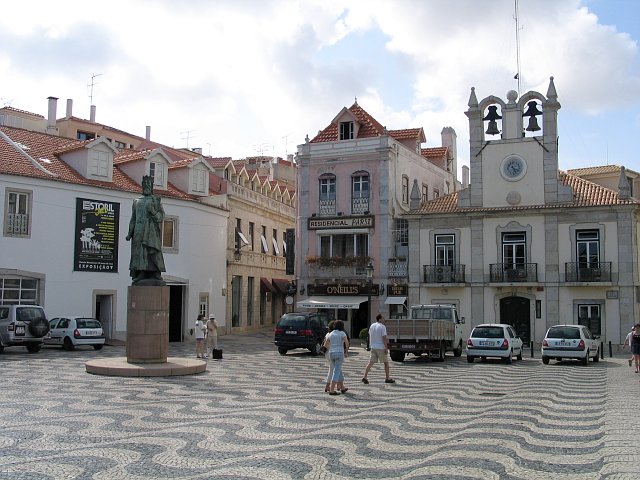
The pedestrian streets radiating from Praça 5 de Outubro tell the story of one of Europe's most successful urban transformations. What you're walking through was once a working fishing village where nets dried in narrow alleys and the smell of sardines dominated the air. Then Portuguese royalty discovered seaside holidays, and everything changed.
King Dom Luis I made the pivotal decision in 1870 to establish Cascais as the royal family's official summer residence. This wasn't some remote royal decree – the king genuinely loved the place and spent months here each year. Where royalty goes, nobility follows, and within a decade, every wealthy Portuguese family wanted their own piece of coastal paradise.
The architecture surrounding you reflects this rapid transformation. Those elegant 19th-century mansions with their elaborate facades, decorative ironwork, and manicured gardens weren't built by fishing families. They represent an unprecedented influx of aristocratic wealth that completely reshaped the town's character. Each villa seems to compete with its neighbors in displaying wealth and refinement.
Look closely at the street layout and you'll notice something interesting – the medieval fishing village bones remain intact beneath all the Belle Époque glamour. The narrow, winding streets weren't designed for carriages or automobiles; they follow the organic patterns of a community that developed around boats, nets, and the daily rhythms of maritime life.
The Igreja da Assunção (Church of the Assumption) anchors the historic center and represents continuity amidst all this change. Built in the 16th century, it served fishing families for centuries before becoming the fashionable church where Portuguese nobility attended summer masses. The contrast between its simple exterior and ornate interior decorations added during the royal period tells the whole story of Cascais' evolution.
Rua Frederico Arouca emerged as the town's main commercial artery during this transformation. What was once a simple village path became a fashionable shopping street lined with boutiques, cafés, and restaurants catering to wealthy visitors. Today it maintains that same function, though the clientele now includes international tourists alongside Portuguese families.
The weekly market at Mercado da Vila operates on the same principles as markets have for centuries, but the produce and customers reflect Cascais' international character. Local fish vendors compete with organic vegetable sellers, traditional Portuguese goods share space with artisanal crafts, and the languages heard include Portuguese, English, French, and various other European tongues.
During World War II, this elegant town center became an unlikely refuge for European exiles. Deposed royalty, fleeing politicians, and international spies all strolled these same streets, giving Cascais a cosmopolitan atmosphere that persists today. The neutral Portugal of António Salazar offered safety, while Cascais provided the refined lifestyle these displaced aristocrats expected.
Modern Cascais faces the challenge of preserving its historic character while accommodating millions of annual visitors. The pedestrianized center represents a successful compromise – cars are banned during peak hours, allowing people to experience the town at walking pace while protecting the narrow streets from traffic damage that would destroy their intimate scale.
Listen to the audio guide: