Sintra: The Sacred Mountain
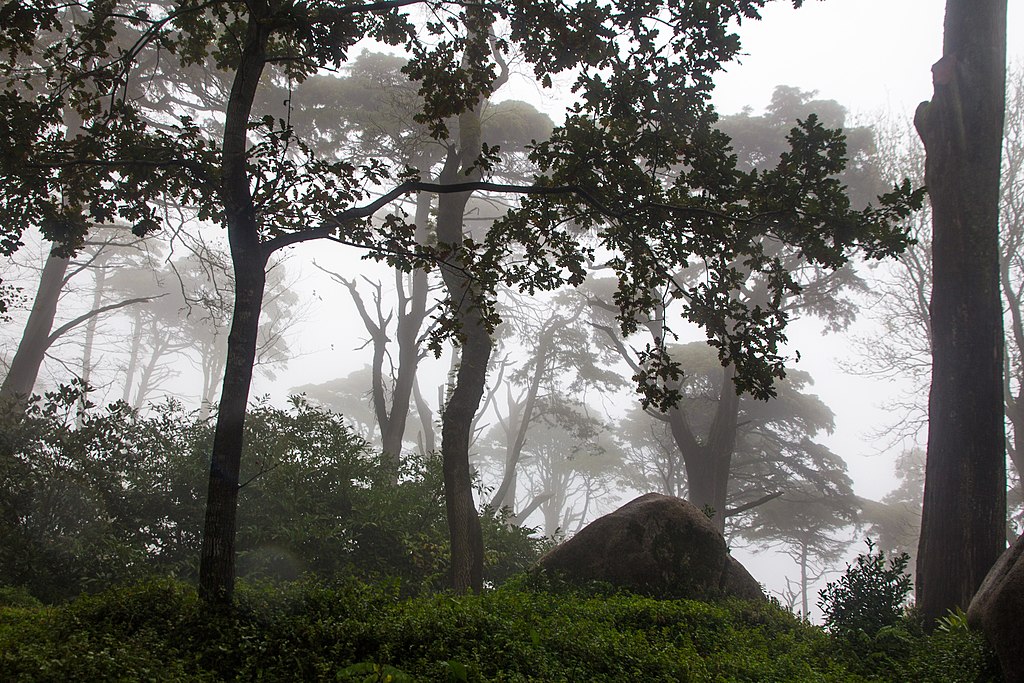
Welcome to the Sintra Mountains, a place so special that ancient Romans called it "Mons Sacer" or Sacred Mount. Let's be honest though - humans have been calling impressive hills "sacred" since we figured out how to point at things.
This mountain has collected more elaborate nicknames than a renaissance poet. Ptolemy called it "Selénes óros" - The Mountain of the Moon - a name that still gets tossed around by anyone trying to sound cultured at dinner parties.
The ancients didn't just worship here; they embraced the fantastical. According to legend, mares roamed these hills and were fertilized by Zephyrus, the Greek god of the west wind. Yes, you heard that right - wind-impregnated horses giving birth to foals faster than the wind itself. Ancient mythology really had a way with creative reproductive biology.
Humans have been settling these rocks since Neolithic times. The Monge Tholos, a prehistoric tomb on the third highest point, proves that even stone age people recognized this mountain's significance. They weren't just passing through - they were making permanent architectural statements.
Romans worshipped the Sun and Moon at shrines near Praia das Maçãs, then Muslims established a ribat (religious retreat) in the same spot centuries later. This mountain has a remarkable talent for convincing humans they're closer to whatever gods they happen to believe in.
Portuguese nobility caught on early to Sintra's practical benefits - namely, that it's significantly cooler here during summer. They built palaces to escape the heat, creating a centuries-old tradition of wealthy people having second homes they only use for brief periods each year. The Sintra National Palace stands as testament to this practice, with more than five centuries of aristocratic renovations and additions.
But it was the 19th century when Sintra truly embraced its romantic identity. As Romanticism swept through Europe, British poet Lord Byron dubbed Sintra the "glorious Eden," triggering an enthusiastic wave of artistic admiration and tourism. Suddenly, having a property in Sintra wasn't just practical - it was fashionable.
The landscape bloomed with revivalist architecture as wealthy owners built increasingly fantastical palaces. They were obsessed with medieval aesthetics, literary fantasy worlds, and deep esoteric symbolism - essentially creating architectural manifestations of their romantic ideals and philosophical interests.
Palaces like Monserrate, Seteais, and Regaleira emerged from this architectural renaissance, each more elaborate than the last. But even these were outdone by the colorful extravagance of Pena Palace, which looms over the landscape like a fairytale castle made real.
As we explore Capuchos Convent and Peninha Sanctuary today, you'll see a different side of Sintra - one where simplicity and spiritual devotion stand in stark contrast to the elaborate excess that defines much of this mountain range. It's the perfect reminder that even in places associated with wealth and privilege, humans have always found different paths to meaning - some through ornate palaces, others through cork-lined cells and contemplative silence.
Remember as we walk these paths that you're treading the same ground where prehistoric humans built tombs, Roman priests conducted rituals, Muslim faithful prayed, medieval monks contemplated divinity, and romantic poets found inspiration. Few places on earth compress so many layers of human spiritual and cultural expression into such a compact geographic space.
Listen to the audio guide: