The Royal Reception Room That Lost Its Royals
Praça do Comércio
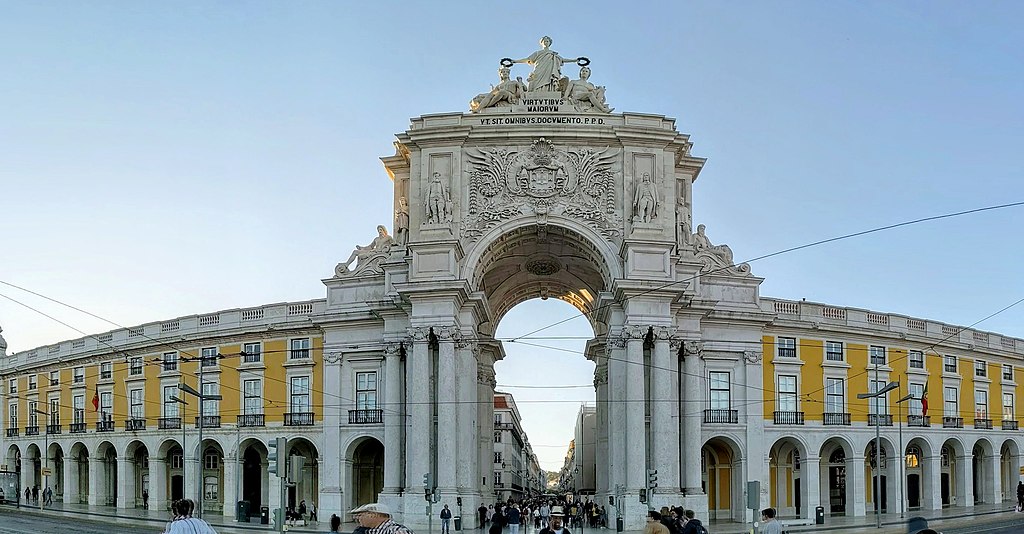
Welcome to Praça do Comércio, Lisbon's grandest square and once the royal front door to the city. If cities had living rooms for receiving important guests, this massive riverside plaza would be Lisbon's—though one that's seen more drama than most royal families.
Before the devastating earthquake of 1755, this spot housed the Royal Palace, where Portugal's monarchs could literally watch their wealth sail in from colonies around the world. Convenient, right? Nothing says "I'm obscenely powerful" like having ships unload exotic goods directly at your doorstep. When the earthquake reduced the palace to rubble, the Marquis of Pombal—Lisbon's no-nonsense rebuilder—decided against reconstructing the royal residence and instead created this imposing square dedicated to commerce.
The symmetrical yellow buildings that embrace three sides of the plaza once housed governmental departments that controlled Portugal's extensive trade networks. Their elegant arcades offered shelter to merchants and officials scurrying between ships and offices—because even empire builders apparently disliked getting wet in the rain.
At the center stands the bronze equestrian statue of King José I, looking permanently pleased with himself despite presiding over the most catastrophic event in Lisbon's history. The king wisely handed reconstruction duties to the Marquis while he retreated to live in a wooden palace safely away from the rebuilding chaos. Leadership at its finest.
The magnificent Triumphal Arch connecting the square to Rua Augusta wasn't completed until 1873—a solid 118 years after the earthquake. Nothing rushes Portuguese bureaucracy, apparently. The arch features statues representing Glory, Ingenuity, and Valor, with the figure of Glory crowning Genius and Valor. Above them all, a sculpture group represents Portugal's historical figures being watched over by various allegorical figures. It's essentially a stone Instagram of 19th-century nationalism.
This square has witnessed centuries of Portuguese history unfold. In 1908, King Carlos I and his heir were assassinated while their carriage rolled through here, effectively beginning the downfall of Portugal's monarchy. Two years later, the republic was proclaimed nearby. During the dictatorship years, the square was renamed "Black Horse Square" by many English visitors, referencing the distinctive statue. Today, it hosts everything from concerts to protests—democracy in action in a space once reserved for absolute rulers.
The river that once brought Portuguese ships laden with Brazilian gold and Asian spices now delivers something potentially more valuable: cruise ship tourists. The square serves as Lisbon's welcome mat, though you'll notice most locals speed through on their way elsewhere, leaving visitors to marvel at its vastness while waiting for the perfect photo opportunity.
So as you stand here, with the Tagus River at your back and the city opening before you, you're at the precise spot where Lisbon's imperial ambitions, commercial aspirations, and modern identity all converge. Just mind the seagulls—they've inherited the ruthlessness of the colonial empire but show considerably less interest in spices.
Listen to the audio guide: