One of history's most destructive natural disasters
Introduction to the 1755 Lisbon Earthquake.
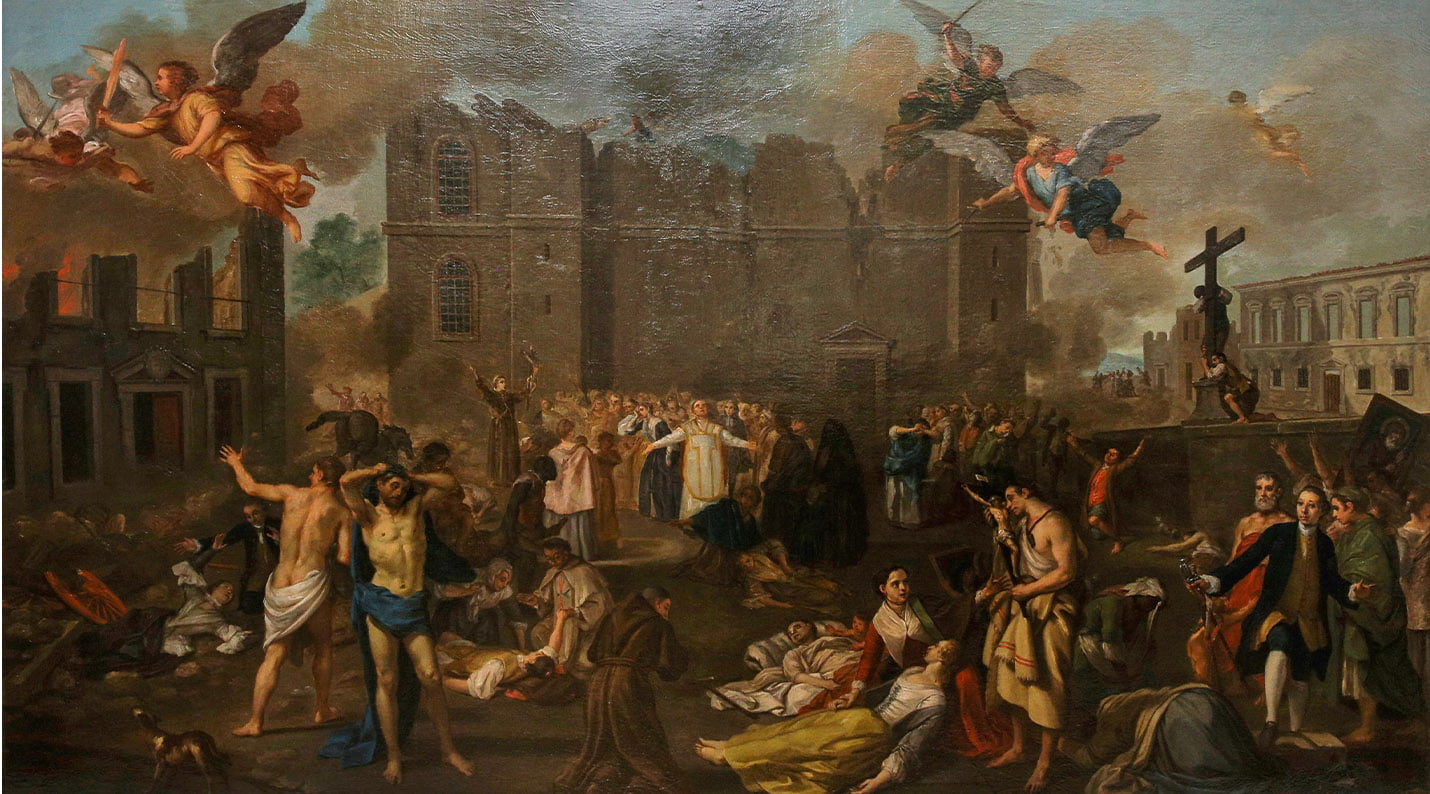
Standing here in modern Lisbon, you'd never guess that on November 1st, 1755, one of history's most destructive natural disasters transformed this city forever. Forget what you think you know about earthquakes – this wasn't just a building-toppler. This was apocalyptic.
Imagine this: It's All Saints' Day. Churches are packed with worshippers. Candles flicker everywhere. Then at 9:40 AM, the ground begins to tremble. Not a gentle shake – we're talking violent convulsions lasting up to six minutes. Buildings collapse like sandcastles. Then comes a tsunami with waves up to 20 feet high, swallowing the downtown. And just when survivors think it can't get worse? Fires from those toppled church candles rage for five days.
The death toll? Somewhere between 30,000 and 50,000 people – in a city of 200,000. That's a quarter of Lisbon's population gone in a single morning.
What made this earthquake truly pivotal wasn't just its destruction but how it shattered Enlightenment Europe's worldview. This happened during the Age of Reason, when intellectuals were celebrating human progress and rational thought. Suddenly, Europe's fourth-largest city lay in ruins on a Catholic holy day. Voltaire was so shaken he wrote "Candide" partly in response, questioning the idea that we live in "the best of all possible worlds."
The 1755 earthquake became the first disaster studied scientifically. The Marquis of Pombal, Portugal's prime minister, sent questionnaires throughout the country asking about timing, duration, and damage – essentially inventing modern seismology. While priests screamed about divine punishment, Pombal famously replied, "We bury the dead and feed the living."
Looking around modern Lisbon, you're witnessing the world's first earthquake-resistant city. Those elegant grid-pattern streets? Emergency response corridors. The consistent building heights? Structural stability. The wooden lattice frameworks inside walls? The "Pombaline cage" – an ingenious flexible skeleton that could sway without collapsing.
What most tourists miss is how profoundly this event changed European thinking. Before 1755, disasters were seen as God's punishment. After Lisbon, they became natural phenomena to be studied and mitigated. This wasn't just an earthquake – it was the birth of disaster science and urban planning.
Here's something fascinating: scientists now estimate the quake at 8.5-9.0 magnitude – similar to the 2004 Indian Ocean tsunami. And geological evidence suggests Lisbon is due for another major quake. Look at those charming buildings around you – they're not just pretty. They're engineered to survive the next big one.
For an authentic experience, visit the Roman Galleries underground near the Commerce Square. They're only open a few days each year, but they offer a rare glimpse of pre-earthquake Lisbon. Or check out the small earthquake exhibition at the Carmo Convent, where you can see actual rubble preserved from that fateful day.
As we continue our tour, you'll see how this single morning in 1755 didn't just destroy Lisbon – it created the modern city you're exploring today. Everything we'll encounter was either shaped by this disaster or built in defiance of it. This wasn't just Portugal's tragedy – it was the moment when modern Europe began to rethink its relationship with nature itself.
Listen to the audio guide: