Introduction – Unveiling Underground Sofia
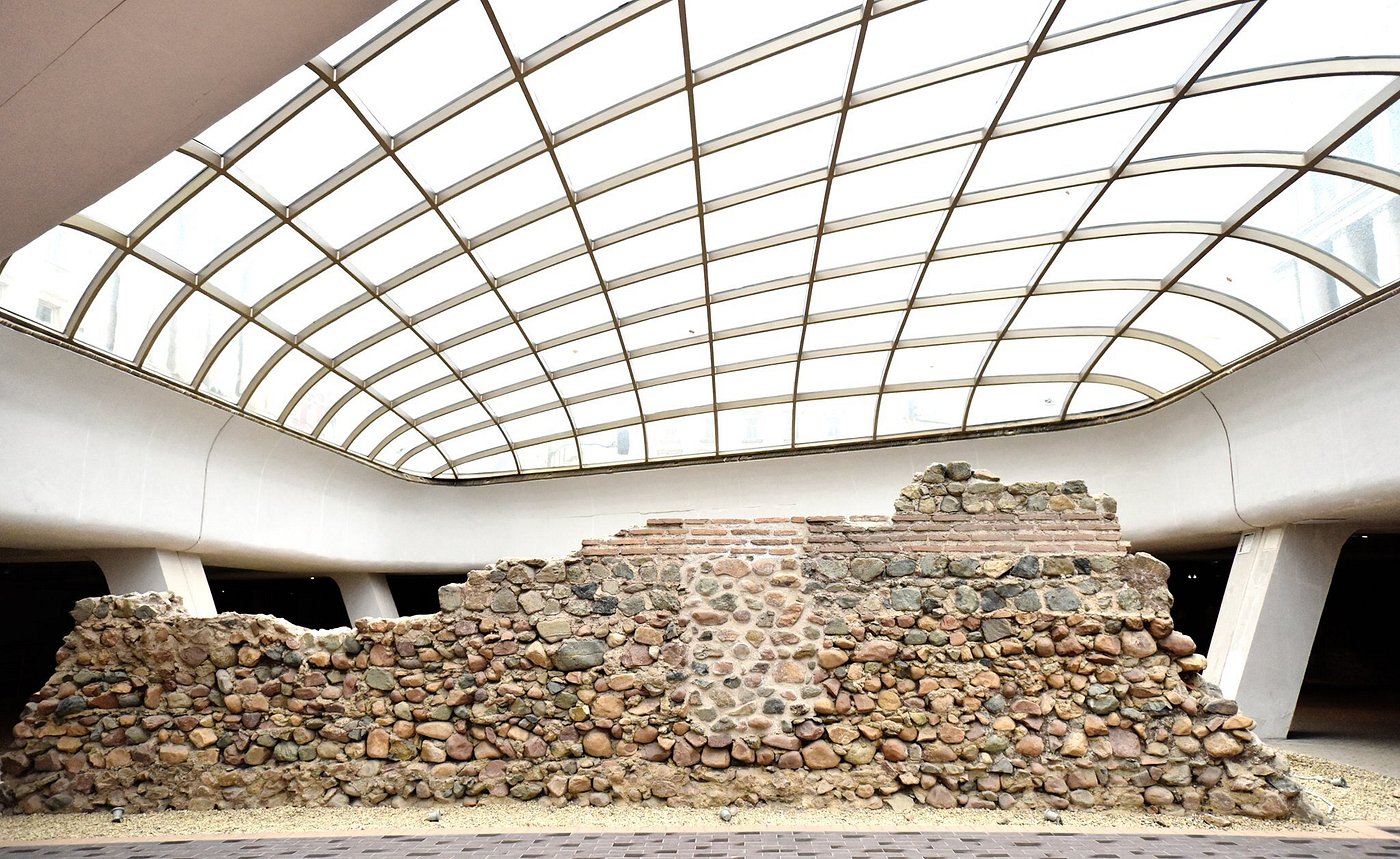
Alright, buckle up, history hunter! Our first dive into Sofia's underbelly takes us straight to where ancient Rome basically photobombed our modern metro. Seriously. We're at the Serdika Archaeological Complex, and let me tell you, this place is the king of accidental history lessons. Picture this: it's 2010, construction crews are digging away, probably dreaming of their lunch break, trying to expand the city's metro. Suddenly, their machines hit something a bit more solid than dirt. And surprise! It wasn't just a big rock; it was an entire chunk of ancient Serdica – streets, houses, the works – all snoozing for centuries right under our feet. Sofia has a hilarious habit of doing this, by the way. We try to build a hotel, we find an amphitheater. We dig for a subway, we unearth a Roman metropolis. It’s like the city’s constantly saying, "Oh, you thought this was new? Cute." It really makes you wonder what else is down there, just waiting for the next unsuspecting construction project.
So, as we wander through this spot – which, by the way, is cleverly tucked around the Serdika metro station – you’re literally walking on original Roman pavements. Yep, these are the same stones that Roman citizens, grumpy merchants, and probably a few legionaries with sore feet trod on almost two thousand years ago. They’ve uncovered eight Roman streets here, which tells you these folks weren't just throwing up mud huts; they had a plan. And get this, some of the houses they found? Pretty swanky. We're talking underfloor heating (hypocausts, if you want to be fancy), private bathrooms, and bits of fancy interior decoration. Clearly, some Serdicans were living the high life, even back then. They even had a pretty decent sewer system, which, trust me, was a big deal for ancient cities.
Now, lean in, because you have to hear about the "House of Felix" mosaic. It’s not just a pretty floor, it’s like an ancient Roman good luck charm. It’s got this fancy imperial-style diadem and the word 'FELIX' – which is Latin for 'happy' or 'lucky.' Basically, "May good vibes and fortune fill this house!" Clever, right? Then there are these cool spiral patterns, probably symbolizing eternal life or something equally profound, and – here’s a little spoiler for later Christian influences – a tiny Greek cross tucked in there. It’s these little human touches that get me. You can almost picture the owners, hoping for a bit of luck, just like we do. We’ve even found traces of what they ate – birds, mammals, fish – giving us a real taste of their daily grind.
And because Serdica was never one to stick to a single theme, they also found an early Christian basilica right in the middle of all this Roman-ness. It shows how the city was already changing, becoming a big deal in early Christian circles. Archaeologists even dug up some super rare wooden bits: actual vine and wooden walls from a Roman house dating back to the 1st century! Plus, some charred wooden pallets they used to keep walls steady, probably torched when the Huns came knocking in the 5th century. Imagine, these fragile pieces of wood surviving all that drama!
Serdica was a happening place, especially under big-shot emperors like Trajan and Constantine the Great – you know, the guy who famously said, "Serdica is my Rome". It was a major crossroads, a VIP spot on the Via Militaris, the ancient highway connecting East and West. Most of what you see in this complex is from the 4th to 6th centuries AD, a real period of glow-up for the Roman Empire. And the best part? They’ve woven these ancient ruins right into the modern Serdika metro station. So, while people are rushing to catch their trains, they're literally walking through centuries of history. It’s a daily reminder that this city has some seriously deep roots.
So, take a good look around. Soak in the fact that you're standing in what was once the bustling heart of Roman Serdica. Pretty wild, huh? Now, from the everyday life of ancient Romans, our next stop takes us to a place that deals with the more... permanent side of things. Let's go talk to the dead.
Listen to the audio guide: