Three Churches Pretending to Be One
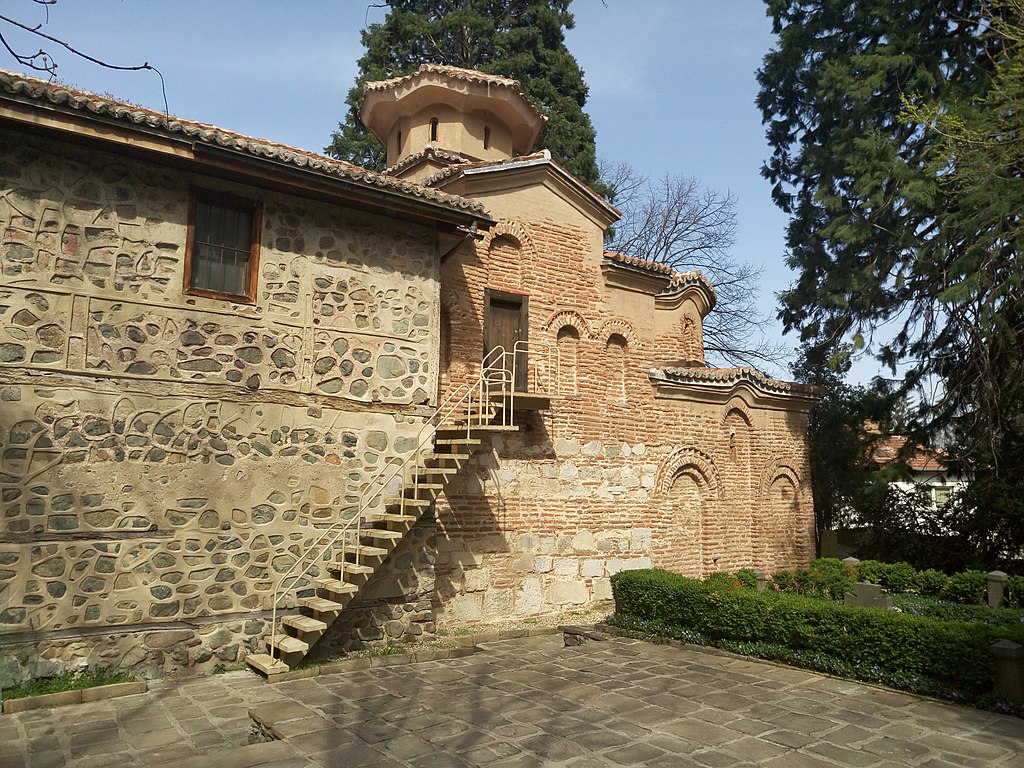
Picture a wealthy family that keeps renovating their house over nine centuries, and you'll understand what you're looking at. This isn't one church with a confused identity crisis—it's three separate buildings from three different eras, each one telling you exactly what its builders thought was important at the time.
The Medieval Construction Timeline.
Start with the eastern section, that small stone structure with the obvious age lines. This 10th-century church was the original—a private chapel built inside the medieval Boyana fortress when Bulgaria was still figuring out how to be a proper Christian empire. Back then, having your own personal church was the medieval equivalent of having a private jet. It followed strict Byzantine rules: cross-shaped interior, dome on top, and absolutely no artistic liberties allowed.
Then came the 13th-century power move. Sebastocrator Kaloyan—think regional governor with serious political ambitions—decided the old chapel wasn't impressive enough for his family's status. So he built the middle section, the two-story addition that's now the star of the show. You can spot it by the ceramic decorative bands and the fact that it looks like someone actually cared about aesthetics. The ground floor became his family tomb, while the upper level served as their private chapel. Medieval nobles loved their burial real estate.
The western section is the newcomer—built in the early 1800s when the local community decided they wanted in on this church action. By then, the Ottoman Empire controlled Bulgaria, and building churches required serious diplomatic maneuvering. This section looks refreshingly straightforward compared to its medieval siblings, because 19th-century Bulgarians had different priorities than 13th-century nobles.
Why This Architectural Mashup Matters.
Each building phase reflects Bulgaria's changing fortunes. The 10th-century original represents the First Bulgarian Empire's confident Christianity. The 13th-century addition showcases the Second Bulgarian Empire's cultural golden age, when Bulgarian nobles could commission revolutionary art that made their Byzantine neighbors jealous. The 19th-century section embodies Bulgarian national revival under Ottoman rule—communities pooling resources to maintain their cultural identity.
What You Can Actually See.
Look at the stonework differences. The oldest section uses rough-hewn stones typical of early medieval construction. The 13th-century addition features more sophisticated masonry with those decorative ceramic elements that were all the rage in medieval Bulgarian architecture. The 19th-century section uses uniform stones and mortar techniques that show clear Ottoman-period construction methods.
The roof lines tell the story too. Three different heights, three different architectural approaches to the same basic problem: how to keep the rain out while impressing the neighbors.
The Human Drama Behind the Stones.
This architectural timeline represents real people making real decisions about power, faith, and family legacy. The 10th-century builders wanted a functional worship space. Kaloyan and Dessislava wanted something that would cement their family's importance for posterity—and they succeeded spectacularly. The 19th-century community wanted to preserve their heritage when their entire nation existed under foreign rule.
Each addition required significant financial investment and political risk. Medieval church building wasn't a casual weekend project—it was a statement about your family's wealth, political connections, and spiritual priorities. The fact that each generation felt compelled to add rather than replace tells you everything about how this site accumulated meaning over time.
Standing here, you're looking at nine centuries of Bulgarian ambition, faith, and artistic evolution compressed into one small complex. And you haven't even seen the revolutionary art inside yet.
Listen to the audio guide: